
The Essential Cofactor Behind Cellular Function
Among the mineral elements required for human health, magnesium stands out as one of the most versatile and indispensable. This alkaline earth metal serves as a cofactor for more than 300 enzymatic reactions throughout the human body, making it a fundamental component of cellular metabolism. Unlike vitamins that can sometimes be synthesised by the body or stored for extended periods, magnesium must be continuously obtained from dietary sources and maintained at optimal levels to support the intricate biochemical processes that sustain life.
The widespread involvement of magnesium in cellular processes stems from its unique chemical properties. As a divalent cation with a relatively small ionic radius, magnesium can form stable complexes with various organic molecules whilst remaining readily exchangeable. This characteristic makes it particularly valuable in enzymatic reactions where it can facilitate molecular binding, stabilise protein structures, and enable the transfer of phosphate groups that power cellular energy systems.
Energy Production and ATP Metabolism
Perhaps nowhere is magnesium more critical than in cellular energy production. The molecule adenosine triphosphate (ATP), often called the energy currency of cells, cannot function without magnesium. Every ATP molecule in the body exists as a magnesium-ATP complex, and the hydrolysis of ATP to release energy requires magnesium to proceed efficiently.
Within the mitochondria, magnesium participates in multiple steps of oxidative phosphorylation, the process by which cells generate the majority of their ATP. The mineral is essential for the proper functioning of key enzymes in glycolysis, the citric acid cycle, and the electron transport chain. Without adequate magnesium, these energy-producing pathways become significantly less efficient, potentially affecting every cellular process that depends on ATP.
Beyond ATP production, magnesium also plays crucial roles in energy storage and utilisation. It is required for the synthesis of creatine phosphate, a high-energy compound that serves as a rapid energy reserve, particularly in muscle tissues. Additionally, magnesium is necessary for the proper function of enzymes involved in fatty acid oxidation, allowing cells to efficiently extract energy from lipid stores.
DNA Integrity and Protein Synthesis
The genetic machinery of cells relies heavily on magnesium for proper function. During DNA replication, magnesium ions are essential cofactors for DNA polymerase enzymes, which synthesise new DNA strands. The mineral helps ensure the fidelity of DNA copying by stabilising the enzyme-substrate complex and facilitating the correct incorporation of nucleotides.
Magnesium also plays vital roles in DNA repair mechanisms. Many of the enzymes responsible for detecting and correcting DNA damage require magnesium to function optimally. This includes enzymes involved in base excision repair, nucleotide excision repair, and mismatch repair systems that maintain genomic stability throughout a cell’s lifetime.
In protein synthesis, magnesium is indispensable for ribosome function and structure. Ribosomes, the cellular factories where proteins are manufactured, contain magnesium ions that help stabilise their complex three-dimensional architecture. The mineral is also required for the binding of transfer RNA molecules to ribosomes and for the peptide bond formation that links amino acids together during protein assembly.
Membrane Stability and Ion Transport
Cell membranes, the flexible barriers that define cellular boundaries and compartments, depend on magnesium for structural integrity and proper function. Magnesium ions help stabilise membrane phospholipids and contribute to the maintenance of membrane potential, the electrical gradient across cell membranes that is essential for numerous cellular processes.
The regulation of ion transport across membranes represents another crucial area where magnesium exerts its influence. The sodium-potassium pump, which maintains the concentration gradients of these ions across cell membranes, requires magnesium for optimal activity. This pump is fundamental to nerve signal transmission, muscle contraction, and the maintenance of cell volume.
Magnesium also influences calcium homeostasis, both at the cellular and systemic levels. The mineral affects calcium channels in cell membranes and competes with calcium for binding sites on various proteins. This calcium-magnesium interaction is particularly important in muscle cells, where the balance between these minerals helps regulate contraction and relaxation cycles.
Antioxidant Defence and Cellular Protection
The role of magnesium in cellular defence systems extends beyond its direct enzymatic functions. Many antioxidant enzymes, including superoxide dismutase and catalase, require magnesium for optimal activity. These enzymes form part of the cellular defence network against reactive oxygen species, helping to prevent oxidative damage to cellular components.
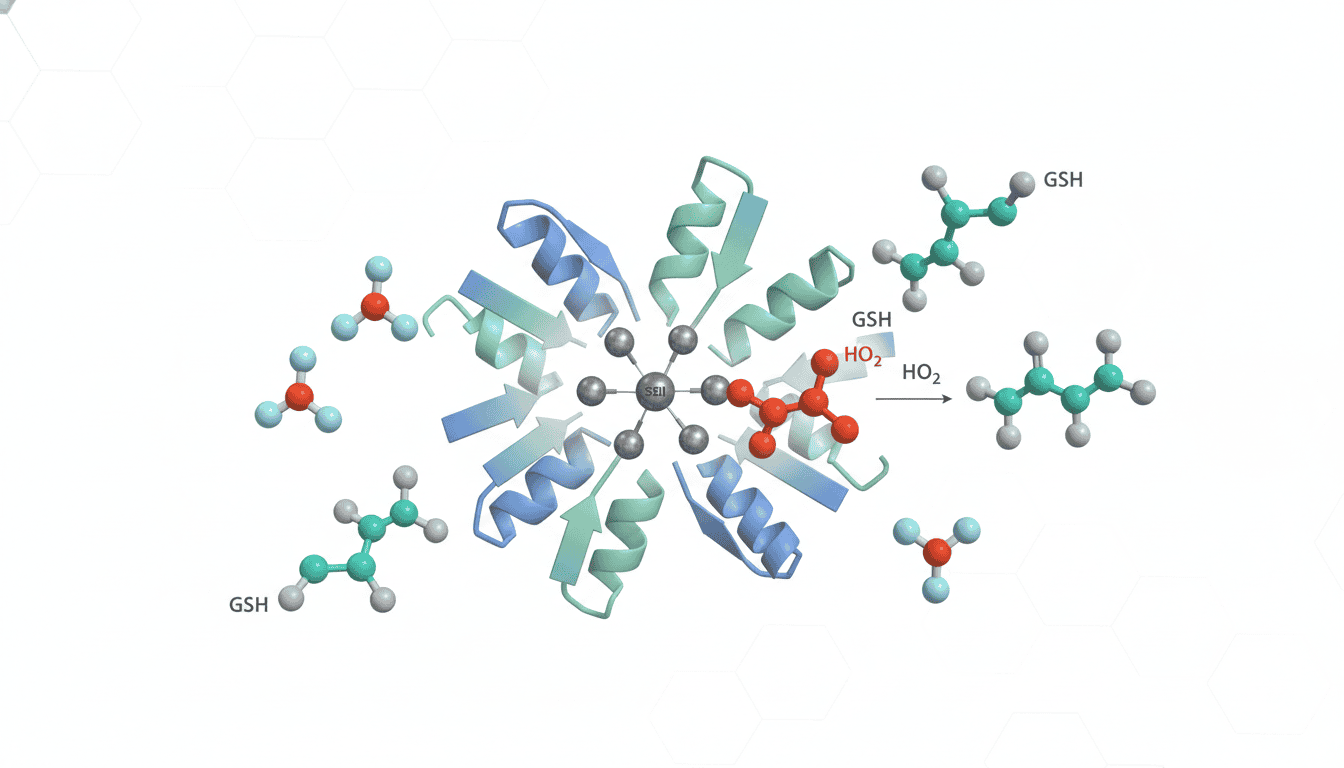
Magnesium deficiency has been associated with increased oxidative stress and inflammation at the cellular level. The mineral appears to help maintain the stability of cellular membranes against lipid peroxidation and supports the function of other antioxidant systems, including glutathione-dependent enzymes that neutralise harmful free radicals.
Additionally, magnesium contributes to the maintenance of telomeres, the protective DNA-protein structures at chromosome ends. Some research suggests that adequate magnesium levels may support telomerase activity, the enzyme responsible for telomere maintenance, potentially influencing cellular ageing processes.
The Interconnected Web of Cellular Health
The extensive involvement of magnesium in over 300 cellular processes illustrates the interconnected nature of cellular biochemistry and the critical importance of maintaining adequate mineral nutrition. From energy production to genetic stability, from membrane integrity to antioxidant defence, magnesium serves as a molecular facilitator that enables the complex symphony of reactions required for optimal cellular function. Understanding these fundamental processes helps illuminate why maintaining proper mineral balance is essential for supporting the intricate mechanisms that sustain cellular health and, ultimately, organismal wellbeing.

Matt Elliott is the editor of Redox News Today, an independent publication covering peer-reviewed research on cellular health, redox signalling, and related biomedical science.