Understanding High Intensity Interval Training at the Cellular Level
High Intensity Interval Training (HIIT) involves short bursts of intense exercise alternated with periods of rest or lower intensity activity. While the cardiovascular and metabolic benefits of HIIT are well documented, recent research has revealed fascinating insights into how this training method influences cellular function at the molecular level. The alternating pattern of high demand followed by recovery creates a unique cellular environment that triggers several adaptive responses.
During intense exercise phases, cells experience rapid increases in energy demand, oxygen consumption, and metabolic stress. This is followed by recovery periods where cellular repair and adaptation mechanisms activate. This cyclical pattern appears to optimise several cellular processes more effectively than steady state exercise, creating distinct molecular signatures that contribute to improved health outcomes.
Mitochondrial Adaptations and Energy Production
One of the most significant cellular adaptations to HIIT occurs within the mitochondria, often called the powerhouses of cells. The intense energy demands of interval training stimulate mitochondrial biogenesis, the process by which cells create new mitochondria. This adaptation increases the cell’s capacity for energy production and improves overall metabolic efficiency.
HIIT also enhances mitochondrial respiratory capacity, allowing these cellular structures to extract more energy from oxygen and nutrients. The repeated cycles of high energy demand followed by recovery periods appear to strengthen the mitochondrial network’s resilience and efficiency. This is particularly important as mitochondrial dysfunction is associated with ageing and various metabolic disorders.
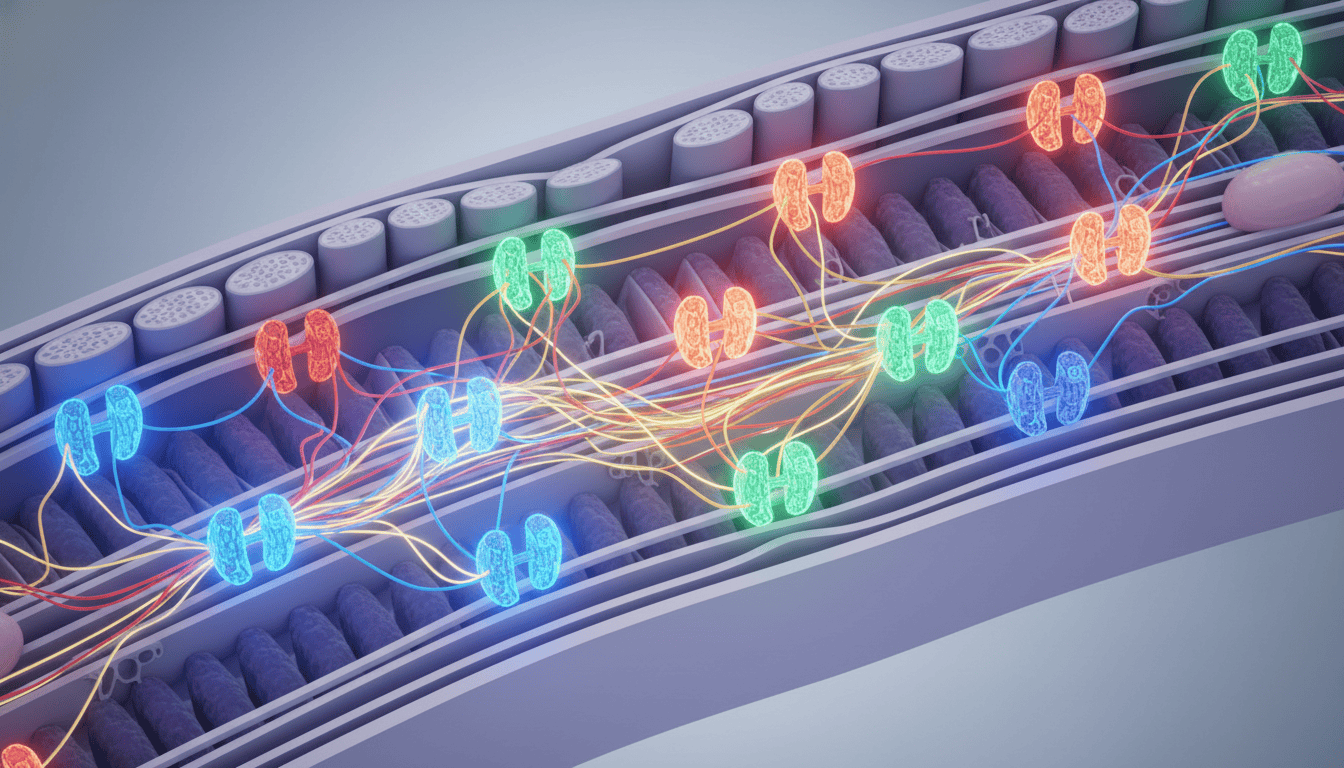
Research has shown that even short durations of HIIT can produce substantial improvements in mitochondrial enzyme activity. These enzymes are crucial for the electron transport chain, the cellular process that generates adenosine triphosphate (ATP), the primary energy currency of cells. Enhanced enzyme activity translates to more efficient energy production across all bodily functions.
Redox Signalling and Cellular Communication
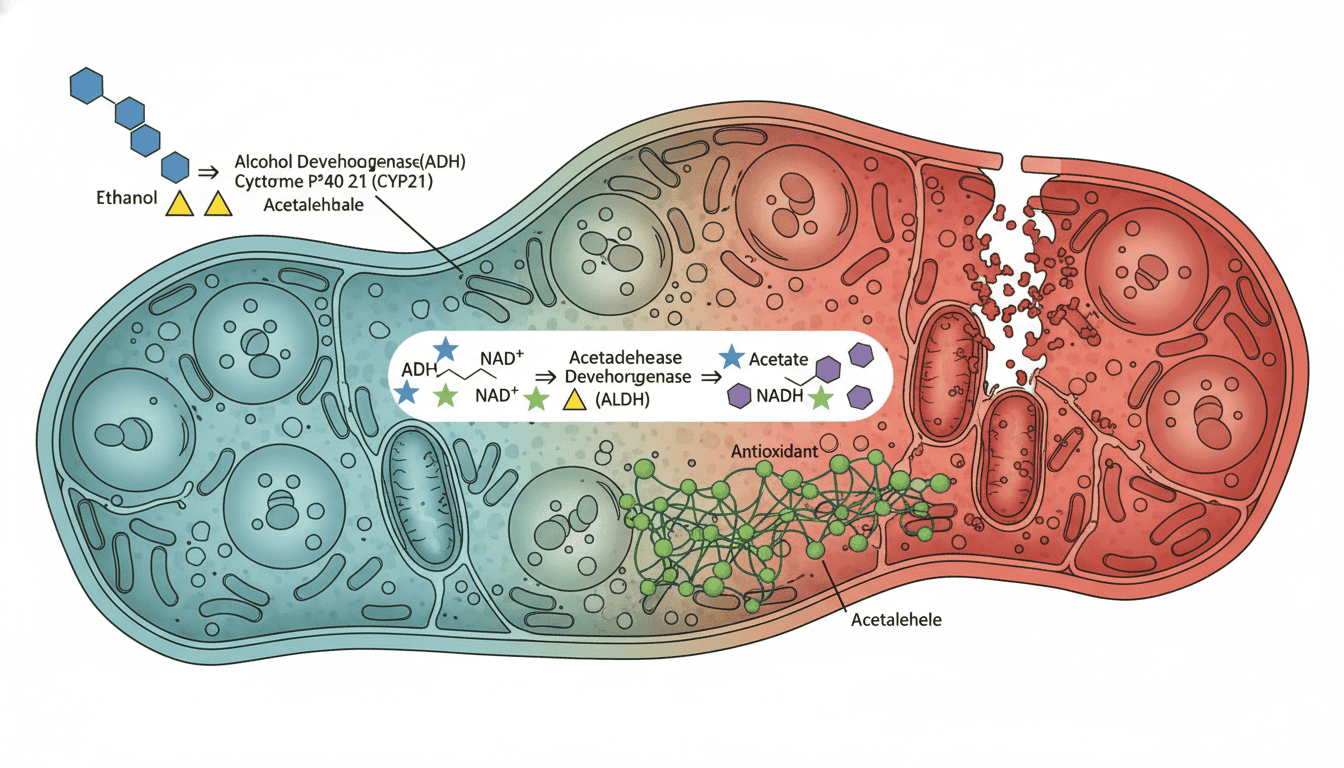
The intense nature of HIIT creates controlled oxidative stress within cells, which paradoxically leads to improved cellular defence mechanisms. During high intensity exercise, cells produce increased amounts of reactive oxygen species (ROS). While excessive ROS can be harmful, the controlled production during HIIT serves as a signalling mechanism that triggers beneficial cellular adaptations.
This process, known as hormesis, involves cells responding to mild stress by upregulating their defence systems. The redox signalling pathways activated during HIIT enhance the production of antioxidant enzymes and improve the cell’s ability to manage oxidative stress in the future. This creates a more robust cellular environment that can better handle various stressors.
The recovery periods between intervals are crucial for this adaptation process. During these rest phases, cells activate repair mechanisms and strengthen their antioxidant defence systems. This cyclical pattern of stress and recovery optimises the cellular response, leading to improved resilience and function over time.
Gene Expression and Protein Synthesis
HIIT influences gene expression patterns in ways that promote cellular health and adaptation. The training method activates specific transcription factors that regulate genes involved in energy metabolism, cellular repair, and stress response. These changes in gene expression lead to the production of proteins that enhance cellular function and resilience.
One important pathway activated by HIIT involves genes responsible for glucose uptake and insulin sensitivity. The intense exercise stimulates the expression of proteins that facilitate glucose transport into cells, improving metabolic efficiency. This cellular adaptation contributes to better blood sugar regulation and enhanced metabolic health.
HIIT also influences the expression of genes involved in protein quality control mechanisms. These cellular systems identify and remove damaged proteins while promoting the synthesis of new, functional proteins. This process, known as protein turnover, is essential for maintaining cellular health and preventing the accumulation of dysfunctional cellular components.
Cellular Repair and Recovery Mechanisms
The recovery periods inherent in HIIT protocols are not passive rest phases but active periods of cellular adaptation and repair. During these intervals, cells initiate various housekeeping processes that are essential for long term health and function. Autophagy, the cellular process that removes damaged components and recycles cellular materials, is enhanced during and after HIIT sessions.
Heat shock proteins, molecular chaperones that help maintain proper protein structure and function, are upregulated in response to the stress imposed by high intensity exercise. These proteins play crucial roles in cellular protection and repair, helping cells maintain function under various challenging conditions.
The DNA repair machinery also becomes more active following HIIT sessions. Exercise induced stress can cause minor DNA damage, but the cellular response includes enhanced repair mechanisms that not only fix this damage but also improve the cell’s overall capacity for genetic maintenance.
Implications for Long Term Cellular Health
The cellular adaptations triggered by HIIT extend far beyond immediate exercise benefits, creating a foundation for long term health at the most fundamental level. The enhanced mitochondrial function, improved redox signalling, optimised gene expression, and strengthened repair mechanisms all contribute to more resilient and efficient cellular systems. These adaptations may help explain why HIIT has been associated with improvements in various health markers, from cardiovascular function to metabolic efficiency.
Understanding these cellular mechanisms reinforces the importance of incorporating structured, challenging exercise into our routines. The cellular health improvements achieved through HIIT demonstrate how targeted physical stress, when properly applied and recovered from, can enhance the fundamental processes that underpin overall health and wellbeing. As we continue to unravel the complex relationships between exercise and cellular function, it becomes increasingly clear that the health of our cells directly influences our capacity for vitality and longevity.

Matt Elliott is the editor of Redox News Today, an independent publication covering peer-reviewed research on cellular health, redox signalling, and related biomedical science.