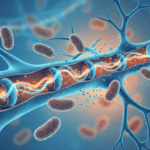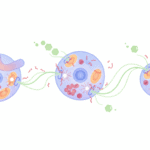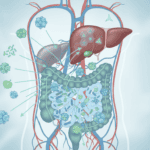
Your gut does more than digest food. It’s packed with mitochondria that make decisions about how your body handles glucose, and metformin, one of the world’s most prescribed drugs, directly talks to these cellular powerhouses. Understanding how metformin interferes with intestinal mitochondrial complex I reveals something unexpected: the drug doesn’t just work on your liver or pancreas. It fundamentally alters how your intestines process nutrients at the molecular level.
What is intestinal mitochondrial complex I
Complex I is the first enzyme in the electron transport chain, the machinery inside mitochondria that generates energy. Think of it as the entry point for electrons stripped from food molecules. In intestinal cells, complex I is particularly active because these cells constantly absorb nutrients and repackage them for the rest of your body.
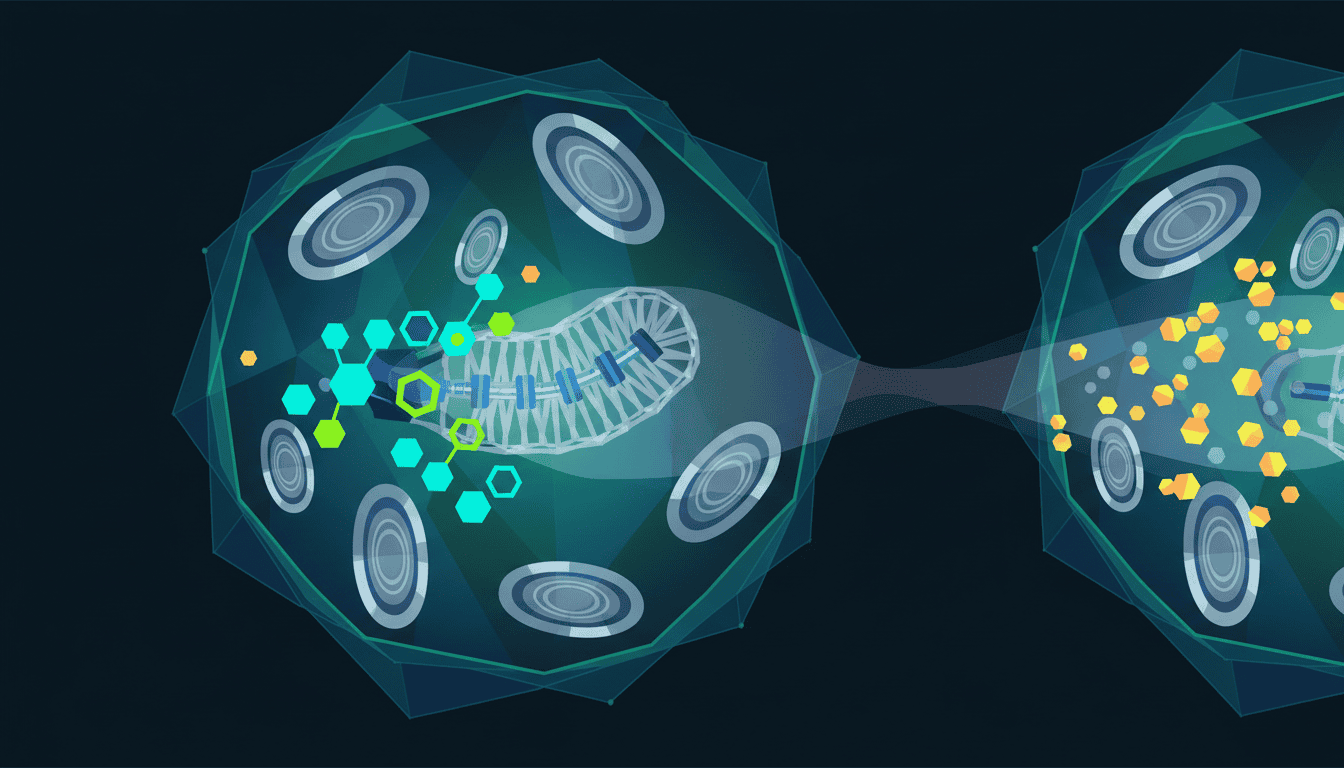
When complex I works normally, it pumps protons across the inner mitochondrial membrane, creating a voltage gradient that powers ATP synthesis. ATP is cellular currency. But complex I also influences something less obvious: it shapes what signals your intestines send to the rest of your metabolism. The balance between glucose oxidation and other fuel sources gets regulated partly through complex I’s activity. Metformin disrupts this balance deliberately, and that disruption turns out to matter for glucose control.
What the research shows
Studies consistently demonstrate that metformin inhibits complex I in intestinal epithelial cells. The drug binds to complex I and reduces the rate at which it pumps protons, lowering the mitochondrial membrane potential. This sounds like damage, but it’s controlled damage with a purpose.
When complex I activity drops in intestinal cells, glucose oxidation decreases. Instead of burning glucose for immediate energy, intestinal cells shift their metabolism. They become more dependent on lactate and fatty acid oxidation. This shift reduces net glucose absorption through the intestinal epithelium. Less glucose enters your bloodstream from dietary sources. Researchers tracking glucose flux across intestinal tissues with metformin present see reductions of 20 to 40 percent compared to untreated controls.
The drug also affects how intestinal cells respond to nutrient availability. Metformin-treated intestinal cells show altered AMPK activation, a metabolic sensor that responds to energy stress. This cascade influences glucose transporters and metabolic gene expression. The effect is measurable within hours of exposure, suggesting metformin acts directly on cellular machinery rather than requiring long-term adaptive changes.
Why cells need this mechanism
Your intestines sit at a crossroads. They absorb every nutrient, and they must decide how much of each nutrient to pass along to the bloodstream versus store, repackage, or metabolise locally. In people eating diets high in refined carbohydrates, constant glucose flooding creates metabolic stress. The intestinal barrier itself becomes dysfunctional, and glucose absorption patterns contribute to poor metabolic control downstream.
Evolution didn’t design intestines to handle modern food volume or composition. Your intestinal cells inherited machinery built for sporadic nutrient availability. Complex I activity lets intestinal mitochondria gauge nutrient status and adjust absorption rates accordingly. Metformin essentially forces this system to be more selective about glucose, as though nutrients were scarcer than they actually are.
This defence mechanism may explain why metformin, despite being an imperfect drug (it causes side effects in many people), has remained useful across decades. It addresses something real about intestinal glucose handling that no amount of insulin production can fully compensate for.
What affects intestinal mitochondrial complex I activity
Age changes complex I function. Older intestinal cells accumulate more complex I mutations and show lower baseline activity. Metformin’s effects on complex I tend to be more pronounced in cells that already have declining mitochondrial function, suggesting age and drug effects interact.
Diet composition matters. High carbohydrate intake increases complex I activity in intestinal cells as these cells burn through glucose. A shift toward fatty acids and protein reduces complex I demand. Intermittent fasting appears to lower complex I activity, partly explaining metabolic effects people report from fasting protocols.
Genetic variation influences complex I structure and regulation. Polymorphisms in genes encoding complex I subunits affect how responsive the enzyme is to metformin inhibition. This helps explain why some people respond dramatically to metformin while others see minimal effects. Gut microbiota also influence mitochondrial function indirectly through metabolite production, particularly short-chain fatty acids that affect epithelial cell energy metabolism.
Oxidative stress acutely enhances complex I activity as mitochondria attempt to generate more ATP for defence. Chronic inflammation dampens complex I efficiency over time, part of the metabolic dysfunction seen in obesity and metabolic syndrome.
What remains unknown
Scientists still haven’t fully mapped how intestinal complex I changes propagate through systemic metabolism. When intestines absorb less glucose, how exactly do livers, muscles, and fat tissue adjust? The signalling pathways connecting intestinal mitochondrial state to whole-body glucose homeostasis remain incompletely characterised.
Long-term metformin exposure effects on intestinal mitochondrial genetics remain unclear. Does chronic metformin use alter expression of complex I genes, or do cells maintain the same machinery and simply have it inhibited? This distinction matters for understanding whether tolerance to metformin develops and why.
We don’t know whether selective complex I inhibition in other tissues would recapitulate metformin’s metabolic benefits or whether intestinal-specific effects are essential. Could drugs targeting complex I exclusively in intestinal mitochondria work better than systemic metformin? Research into tissue-selective mitochondrial modulators continues but has yielded few clinical candidates.
The role of intestinal complex I in signalling between gut and brain about nutrient availability deserves more attention. Does reduced intestinal mitochondrial activity communicate satiety signals differently? Early work suggests connections here, but the neurobiology remains speculative.
Metformin’s effects on intestinal mitochondrial complex I illustrate a principle that reshapes how we think about metabolism: you can’t separate energy production from nutrient sensing and whole-body regulation. The drug works not by adding something your cells lacked, but by restraining an overeager system. As research into mitochondrial biology accelerates, understanding how drugs and foods modulate mitochondrial function in different tissues will likely become central to explaining individual differences in metabolic health and disease risk.

Matt Elliott is the editor of Redox News Today, an independent publication covering peer-reviewed research on cellular health, redox signalling, and related biomedical science.