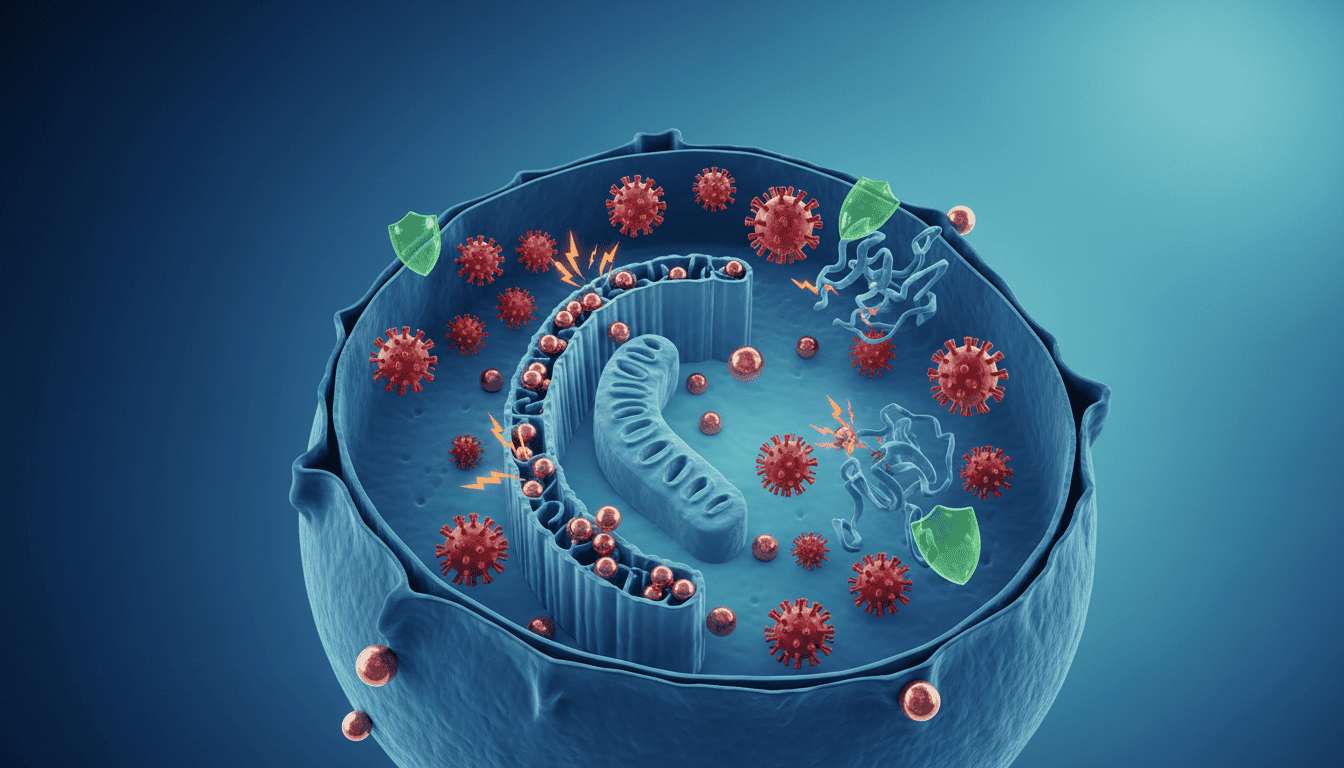
Your cells are running a constant balancing act between creating energy and preventing damage. That balance shifts measurably when someone starts taking oral contraceptives. The hormones in birth control pills don’t just prevent pregnancy, they alter how your body handles copper, a metal your cells absolutely need but can’t afford to have too much of. This creates a ripple effect through oxidative stress systems that researchers are still working to fully understand.
What is copper and oxidative stress
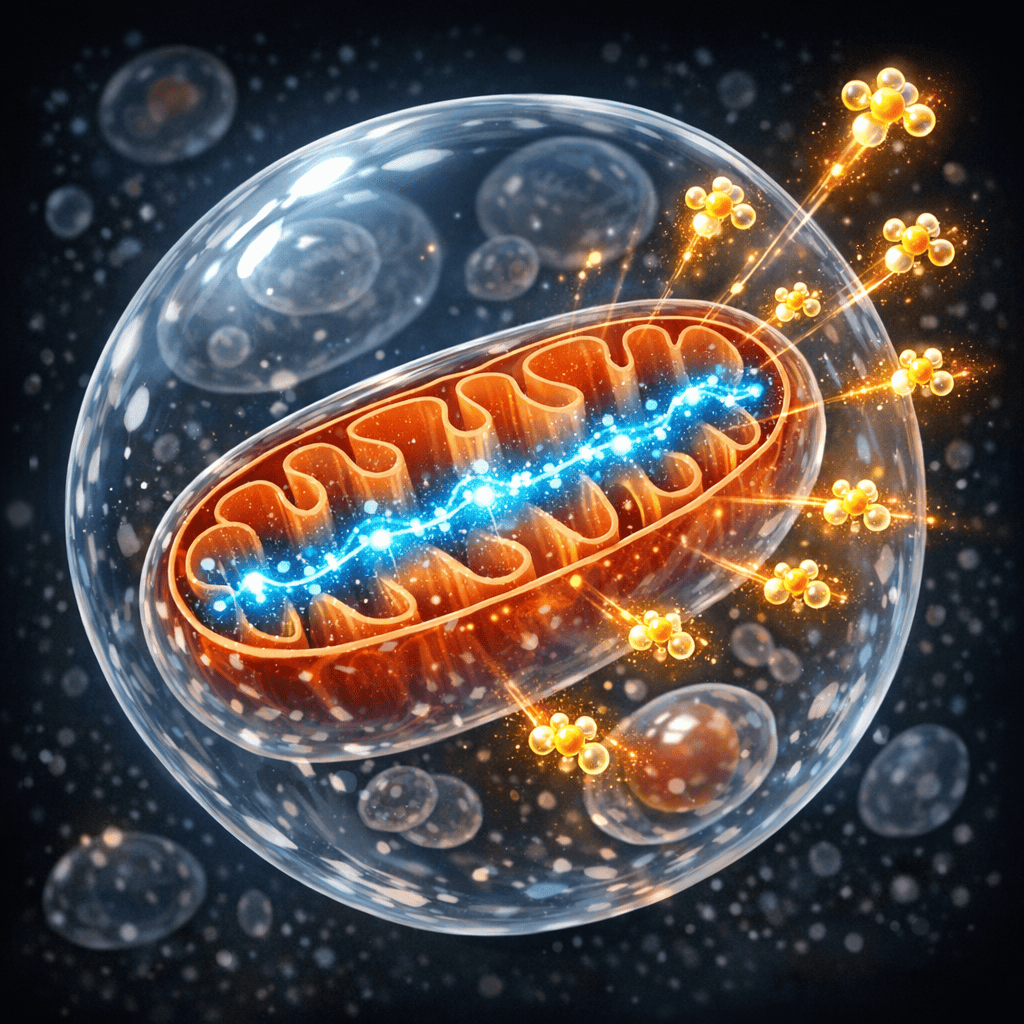
Copper is a cofactor for multiple enzymes that your cells depend on. Most importantly, it sits at the heart of cytochrome c oxidase, the final enzyme in your mitochondrial electron transport chain. Without copper, your cells can’t efficiently extract energy from food. But copper also participates in Fenton-like reactions that generate harmful free radicals if it accumulates in the wrong cellular compartments.
This is where oxidative stress comes in. Your cells constantly produce reactive oxygen species (ROS) as a byproduct of normal metabolism. Copper, being a transition metal, can catalyse the formation of more of these damaging molecules. That’s why your body tightly regulates copper levels. Too little and your energy production crashes. Too much and free radicals start damaging proteins, fats, and DNA.
Your cells have evolved multiple defence systems to handle this. Superoxide dismutase, catalase, and glutathione peroxidase all work to neutralise free radicals. These enzymes are remarkably effective when copper concentrations stay within the right range. The question researchers are asking is: what happens when oral contraceptives nudge that range?
What the research shows
Studies examining serum copper levels in women using oral contraceptives consistently find elevated copper compared to non-users. The magnitude matters. We’re talking about increases of roughly 20 to 40 percent depending on the formulation and duration of use. This isn’t a tiny fluctuation; it’s a meaningful shift in a tightly regulated system.
Researchers have tracked what happens downstream of this elevation. Oxidative stress markers like malondialdehyde (a byproduct of lipid peroxidation) tend to rise. Conversely, antioxidant enzyme activity often decreases, suggesting cells are working harder to manage the oxidative load. Some studies show changes in markers like 8-oxoguanine, indicating oxidative DNA damage is occurring at a detectable level.
The mechanism appears to involve estrogen itself. Estrogen influences metallothionein expression, the main protein responsible for copper transport and storage. Higher oestrogen from contraceptive formulations shifts how much copper your body absorbs and retains. Zinc levels sometimes decrease in parallel, which matters because zinc competes with copper for the same binding sites on these transport proteins.
Not all formulations behave identically. Older pills with higher oestrogen doses show more pronounced effects than newer low-dose formulations. Duration of use also correlates with the magnitude of change, though the relationship isn’t perfectly linear.
Why cells need this mechanism
The fact that oestrogen regulates copper metabolism suggests this wasn’t random biological drift. Copper homeostasis is intimately connected to reproductive physiology. Oestrogen influences blood vessel formation, bone density, and immune function, all processes that depend on copper-dependent enzymes. During the menstrual cycle, oestrogen naturally fluctuates, and copper levels fluctuate with it.
When someone uses oral contraceptives, they’re essentially holding oestrogen at consistently higher levels than the natural cycle allows. This sustained elevation creates sustained elevation in copper. From an evolutionary perspective, your cells adapted to handle monthly cyclical changes in copper, not constant elevation. That’s why the oxidative stress signature shows up in research.
The body’s antioxidant defence systems are remarkably plastic. They upregulate when oxidative stress increases. But there’s a lag. Cells can’t instantly deploy more catalase or glutathione peroxidase in response to higher copper. During that gap between stress exposure and adaptive response, damage accumulates.
What affects copper and oxidative stress during oral contraceptive use
Pill formulation matters significantly. The dose and type of oestrogen (ethinylestradiol versus others) influence the magnitude of copper elevation. Progestin type appears to modify the effect, though less dramatically than oestrogen.
Diet plays a substantial role. Copper intake varies based on what someone eats. Copper is abundant in shellfish, nuts, seeds, and chocolate but low in refined grains. Someone eating a copper-rich diet while taking oral contraceptives will experience more dramatic elevation than someone with lower dietary copper intake. Zinc intake is equally relevant because it competes for absorption.
Antioxidant status before starting contraceptives predicts how well cells handle the resulting oxidative stress. Someone with abundant dietary antioxidants from fruits, vegetables, and other sources starts with higher baseline antioxidant enzyme activity. They have more defensive capacity to buffer against the copper-driven increase in ROS.
Age influences the equation too. Younger people typically have more robust antioxidant defence systems. Older individuals already experience increased oxidative stress from ageing. Layering oral contraceptive use on top of that creates a different oxidative environment than in younger users.
Physical activity directly affects both copper metabolism and antioxidant defences. Exercise increases demand for copper-dependent mitochondrial function while simultaneously upregulating antioxidant enzyme expression. This is likely why physical activity appears to blunt some of the oxidative stress markers associated with contraceptive use.
What remains unknown
Researchers still don’t fully understand the long-term consequences of sustained elevated copper and oxidative stress during years of oral contraceptive use. The oxidative stress markers show up clearly in research, but whether this translates to meaningful cellular damage or accelerated ageing remains unclear. The body might compensate in ways we haven’t detected.
The relationship between this mechanism and specific health outcomes needs better characterisation. Does elevated copper during contraceptive use influence cardiovascular risk, bone density, immune function, or neurodegenerative disease risk? Some evidence hints at connections, but causal mechanisms remain speculative.
Individual variation in copper metabolism is substantial. Some women show dramatic elevation in serum copper with oral contraceptives; others show minimal change. Researchers haven’t identified which genetic or metabolic factors predict these individual differences. This matters because it could mean some women experience significant oxidative stress while others don’t.
We also don’t know whether newer formulations with lower hormone doses have genuinely reduced these effects or simply shifted them to a different level. Long-term comparison data between users of different pill generations is limited.
Cellular oxidative stress sits at the intersection of biochemistry and health, where subtle molecular shifts accumulate into meaningful biological outcomes. What happens with copper and oral contraceptives illustrates something important: hormonal interventions don’t work in isolation. They ripple through interconnected metabolic systems. Understanding those ripples requires looking beyond contraception’s primary mechanism and examining what happens to copper, antioxidant defences, and oxidative damage at the cellular level. That’s where the real complexity lives.

Matt Elliott is the editor of Redox News Today, an independent publication covering peer-reviewed research on cellular health, redox signalling, and related biomedical science.