
Your pancreas is constantly remodelling itself. Old cells die, new ones replace them, and the tissue adjusts to whatever you’ve eaten recently. This sounds straightforward until you realise that pancreatic tissue sits in a uniquely oxidative environment. The cells that produce digestive enzymes and regulate blood glucose generate reactive oxygen species as a normal part of their work. Too much oxidative stress, and the tissue starts to deteriorate. Too little signalling, and cells lose the stimulus they need to adapt. Resveratrol, a compound found in grape skins and some berries, appears to help pancreatic tissue navigate this tightrope.
What is resveratrol and oxidative signalling in the pancreas
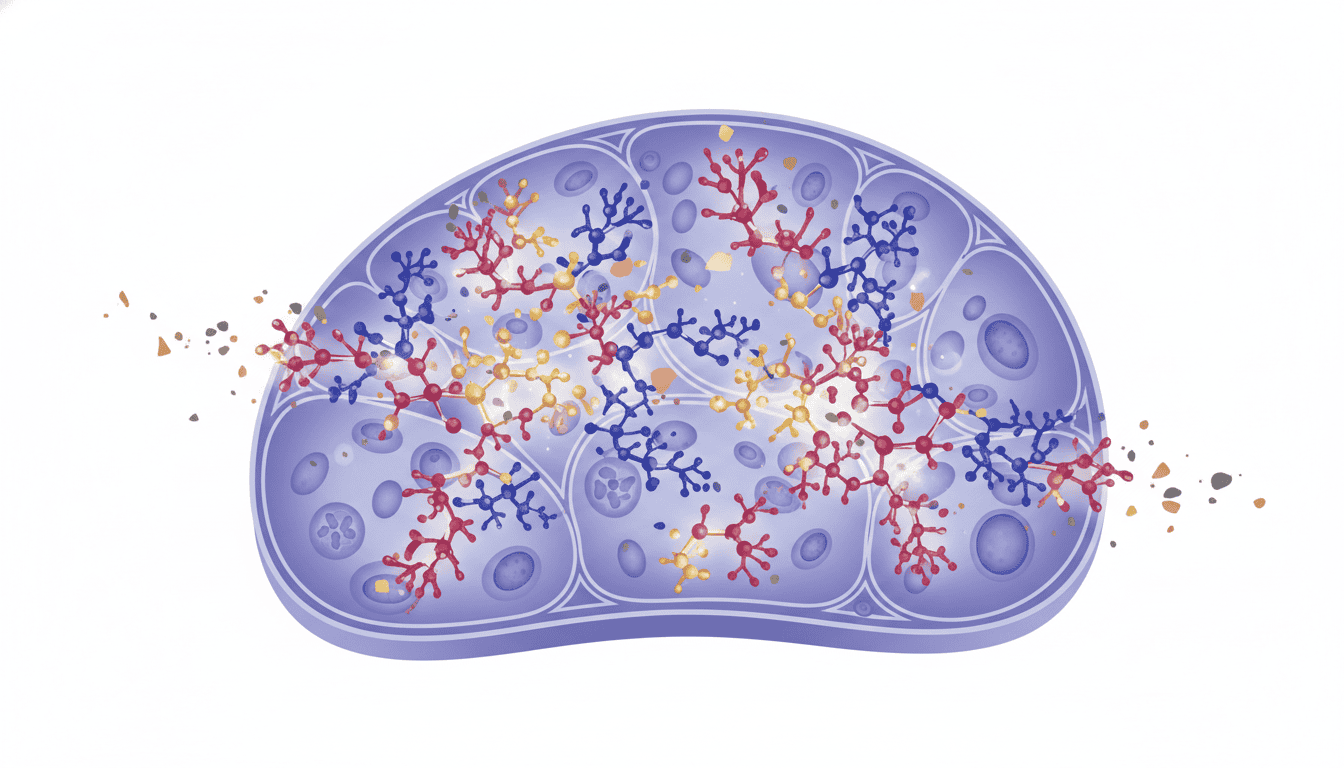
Resveratrol is a small polyphenol molecule that cells can recognise and respond to. When pancreatic tissue experiences oxidative stress, reactive oxygen species accumulate and damage proteins, lipids, and DNA. The pancreas relies on several antioxidant defences to contain this damage, with key players being enzymes like superoxide dismutase and catalase, plus the master regulator NRF2. When cells detect oxidative stress, NRF2 acts like a master switch, activating dozens of protective genes at once. This response isn’t just damage control. It’s also a remodelling signal. The same oxidative stress that triggers antioxidant defences also stimulates tissue repair, cell replacement, and adaptation to metabolic demand. Resveratrol appears to tune this response. It activates some of the same pathways as oxidative stress but without causing the actual cellular damage that comes with uncontrolled reactive oxygen species.
What the research shows
Studies examining pancreatic tissue exposed to resveratrol have found consistent patterns. Cells treated with resveratrol show increased activity of antioxidant enzymes. The amounts of glutathione, a critical cellular antioxidant, remain elevated. More tellingly, when pancreatic tissue faces genuine oxidative challenge, cells pre-exposed to resveratrol weather the stress better. They maintain better mitochondrial function, experience less cell death, and preserve tissue architecture more effectively than untreated controls.
The signalling pathways involved are now fairly well mapped. Resveratrol activates sirtuins, a family of enzymes that regulate cellular energy and stress response. It also influences pathways dependent on AMP kinase, the cell’s master energy sensor. These activations ripple downstream to enhance NRF2 function and boost expression of antioxidant genes. In pancreatic tissue specifically, this leads to improved metabolic flexibility. The tissue adapts more readily when glucose demand changes, and the cells maintain better mitochondrial density. Importantly, this happens without the tissue mounting a full inflammatory response, which would otherwise promote further remodelling and damage.
Why cells need this mechanism
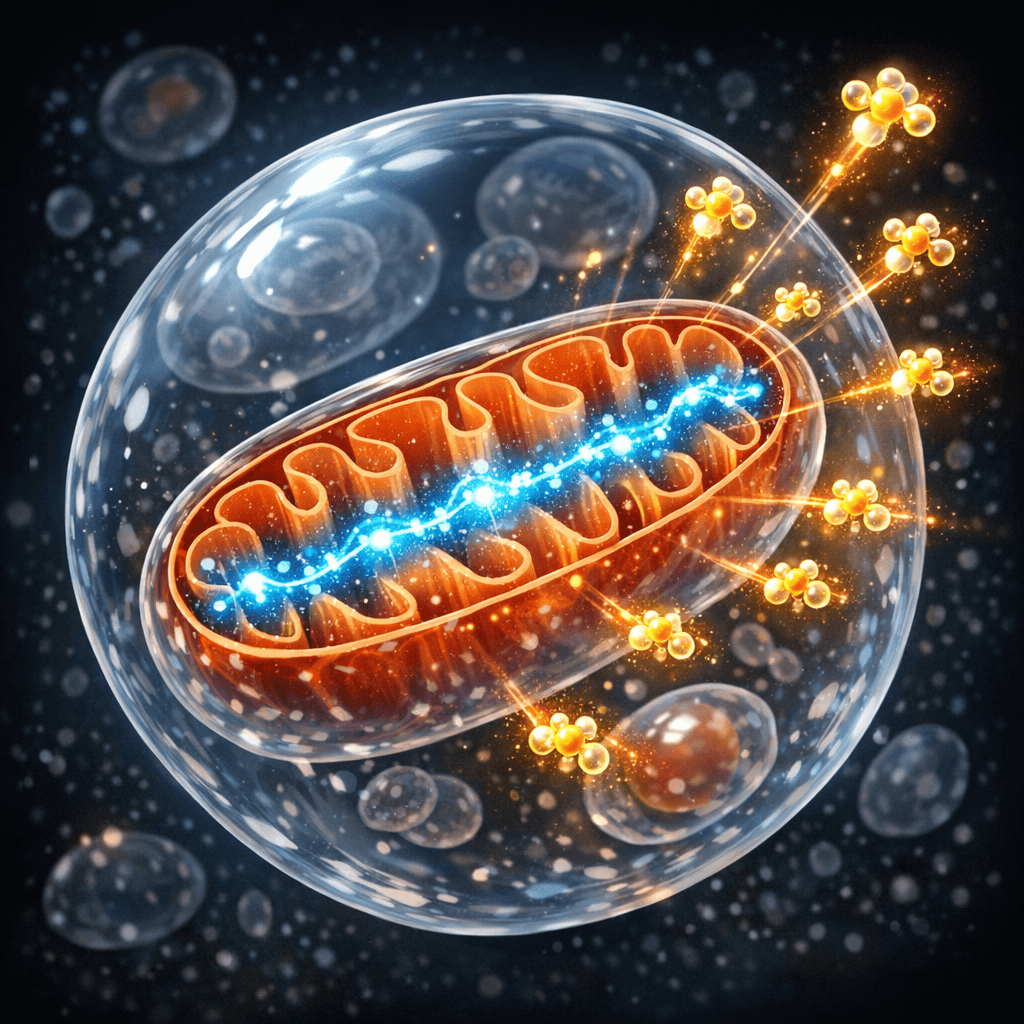
The pancreas faces a peculiar metabolic burden. Beta cells that produce insulin must generate the ATP needed to run glucose sensing machinery and trigger hormone secretion. Acinar cells that make digestive enzymes synthesise these proteins in enormous quantities, burning through cellular energy in the process. Both cell types generate significant amounts of reactive oxygen species as inevitable byproducts of mitochondrial metabolism. Evolution preserved the ability to sense and respond to this stress precisely because pancreatic tissue cannot escape it.
The system works like this: mild, ongoing oxidative stress keeps cellular defence systems primed. It signals that the tissue needs robust antioxidant capacity and efficient mitochondria. Without this signalling, pancreatic cells would be unprepared when metabolic demands spike. Resveratrol essentially amplifies this signalling without creating pathological stress. It allows the tissue to stay prepared without paying the cost of actual oxidative damage. This matters because pancreatic remodelling is continuous. Acinar cells turn over roughly every few weeks. Beta cells, slower to replace, still need constant maintenance and adaptation. The better the oxidative signalling system works, the more effectively the tissue can manage this turnover.
What affects resveratrol’s action in pancreatic tissue
Resveratrol’s effectiveness isn’t constant across all conditions. Age matters substantially. In younger tissue, resveratrol activates sirtuins and NRF2 robustly. In older pancreases, the same doses produce weaker responses. The tissue’s metabolic state also influences outcomes. Pancreatic tissue chronically exposed to high glucose or high fat shows impaired resveratrol signalling. Chronic inflammation dampens the response further. This likely reflects saturation of the signalling pathways involved. The cells are already receiving strong oxidative and inflammatory signals, so adding resveratrol doesn’t provide additional stimulus.
Diet composition affects how well resveratrol works. Tissue with adequate antioxidant capacity from other dietary polyphenols responds differently than depleted tissue. The baseline metabolic health of the organism matters too. Pancreatic tissue in metabolically healthy animals shows clearer resveratrol responses than tissue in metabolically compromised animals. Genetic variation also plays a role. Some individuals have more active sirtuins or more responsive NRF2, making them more sensitive to resveratrol’s effects.
What remains unknown
Scientists still debate whether resveratrol’s benefits come mainly from its direct antioxidant properties or from its ability to activate cellular signalling pathways. The evidence suggests signalling is more important, but the balance remains unclear. Researchers also don’t fully understand why resveratrol activates some pathways more robustly in some tissues than others. The pancreas shows strong responses in controlled studies, but other tissues respond more variably. This tissue specificity likely reflects differences in baseline enzyme expression and metabolic rate, but mapping this precisely remains incomplete.
The question of dose and timing is still open. Most studies use resveratrol concentrations that far exceed what dietary consumption achieves. Whether modest dietary intake produces meaningful pancreatic effects remains genuinely uncertain. Duration of exposure matters, but the optimal pattern for maintaining pancreatic tissue health isn’t established. Finally, researchers haven’t determined how resveratrol’s effects interact with other lifestyle factors. Does exercise amplify or dampen resveratrol signalling in pancreatic tissue? What about heat stress or fasting? These combinations haven’t been systematically explored.
The broader picture emerging from oxidative stress research is that cells don’t simply try to eliminate all reactive oxygen species. Instead, they maintain a finely tuned balance. Too little oxidative signalling and the tissue becomes unprepared for genuine stress. Too much and damage accumulates. Resveratrol appears to help pancreatic tissue maintain this balance, particularly during periods when metabolic demands shift. Understanding how compounds like resveratrol modulate these responses matters because it reveals how cells actually adapt to their environments. The pancreas isn’t passively suffering from oxidative stress or passively relying on antioxidants to save it. It’s actively sensing conditions and remodelling itself in response. Resveratrol seems to sharpen that sensing system, allowing the tissue to adapt more effectively to whatever metabolic challenge comes next.

Matt Elliott is the editor of Redox News Today, an independent publication covering peer-reviewed research on cellular health, redox signalling, and related biomedical science.