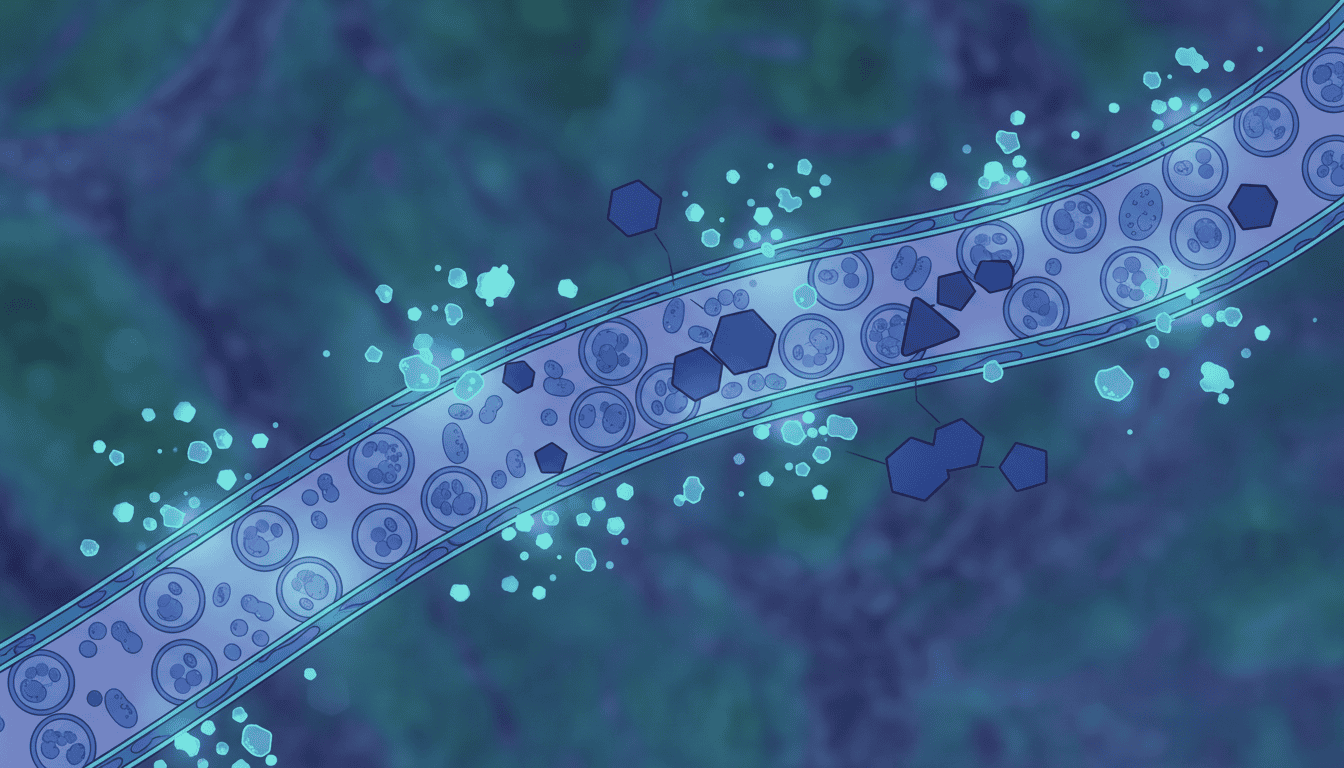
Your kidneys filter roughly 180 litres of blood every day. In diabetic kidney disease, high blood sugar triggers a cascade of damage that starts with oxidative stress, the cellular equivalent of rust spreading through a machine. Researchers are now investigating whether fermented polysaccharides, molecules created when bacteria break down plant fibres, can influence the markers that signal this damage. The question is simple: can what we eat change how stressed our kidney cells become?
What is oxidative stress in diabetic kidney disease
Oxidative stress happens when cells generate too many reactive oxygen species (free radicals) and can’t neutralise them fast enough. In healthy kidneys, this process stays controlled. Antioxidant systems like superoxide dismutase and glutathione peroxidase constantly mop up excess free radicals before they cause trouble.
In diabetes, the story changes. High glucose levels push kidney cells to produce more free radicals during normal metabolism. At the same time, these stressed cells struggle to activate their antioxidant defences. The result is a slow accumulation of oxidative damage to proteins, lipids, and DNA. This triggers inflammation, reduces the kidney’s filtration efficiency, and eventually leads to tissue scarring. Diabetic kidney disease progresses quietly for years before symptoms appear, which is why understanding its cellular origins matters.
Fermented polysaccharides are complex carbohydrates that form when your gut bacteria metabolise dietary fibre. Unlike simple sugars, these molecules don’t enter the bloodstream directly. Instead, they interact with your gut lining and appear to influence systemic signalling pathways, including those connected to oxidative stress.
What the research shows
Laboratory and animal studies have revealed that fermented polysaccharides can alter the levels of oxidative stress markers in kidney tissue exposed to high glucose conditions. When researchers exposed kidney cells to elevated glucose while also treating them with fermented polysaccharide extracts, they observed measurable changes in two key markers: malondialdehyde, a byproduct of lipid damage, and protein carbonyl groups, which indicate protein oxidation.
The magnitude of change varies depending on which polysaccharides are tested and which bacterial fermentation products are examined. Some fermented polysaccharide preparations reduced oxidative stress markers by 20 to 40 percent in experimental models. Others showed minimal effect. This inconsistency tells us something important: not all fermented polysaccharides work the same way. The specific carbohydrate structure, the bacterial strains involved in fermentation, and the experimental conditions all matter.
Researchers have also tracked changes in antioxidant enzyme activity. In several studies, fermented polysaccharide treatment appeared to enhance the kidney cells’ capacity to upregulate their own antioxidant defences. This is mechanistically different from simply adding antioxidants from outside. The cells seemed to recognise something in these molecules and respond by strengthening their internal protection systems.
Why cells need this protection
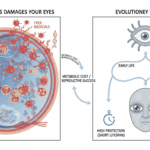
Evolution didn’t give your kidneys excess antioxidant capacity by accident. Kidney cells operate under constant oxidative pressure because filtration requires energy and generates free radicals as a side effect. In a healthy person, this threat stays manageable. But add diabetes to the picture and the balance breaks down.
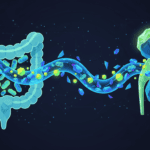
The biological logic behind fermented polysaccharides’ potential effect centres on gut barrier function and immune signalling. Your intestinal lining acts as both a barrier and a communication network. Fermented polysaccharides interact with specific immune cells and proteins along this barrier, particularly pattern recognition receptors that detect microbial metabolites. When these receptors are activated appropriately, they trigger a cascade of signals that reach distant tissues, including the kidneys.
This isn’t about fighting oxidative stress directly. Instead, it’s about helping kidney cells recognise that conditions are threatening and that they need to activate their built-in defensive programmes. That’s a fundamentally different mechanism than simply consuming more antioxidant vitamins.
What affects fermented polysaccharide responses
Not everyone’s gut microbiome will respond to dietary fibre the same way. The bacteria species living in your colon vary based on age, diet history, antibiotic exposure, and genetics. Some people have robust populations of fibre-fermenting bacteria. Others have fewer. That variation directly influences how many fermented polysaccharides you actually produce and what types accumulate.
Experimental conditions matter equally. In laboratory settings, fermented polysaccharide extracts are often concentrated and purified. In real life, you consume them mixed with thousands of other food components. The dose that shows effects in a test tube may differ enormously from what you’d actually achieve through food. Temperature, pH, and the presence of other dietary compounds all alter how fermented polysaccharides behave in the human body.
Age influences the equation too. Younger people typically maintain more diverse gut bacteria and more efficient intestinal barrier function. As people age, particularly those with long-standing diabetes, both factors shift. Gut permeability increases and bacterial diversity often decreases, which may reduce the body’s capacity to generate and respond to fermented polysaccharides effectively.
What remains unknown
Most of the evidence for fermented polysaccharides comes from controlled laboratory experiments and animal models. We have limited human studies examining whether these mechanisms actually translate to people with diabetic kidney disease. The few human studies that exist tend to be small and focus on general inflammatory markers rather than kidney specific outcomes.
We don’t yet know which fermented polysaccharides matter most. Is it short chain fatty acids, the primary fermentation end products? Are specific bacterial metabolites more important? Do different polysaccharide structures activate different protective pathways? These questions remain open.
Long term effects are also unclear. Can consuming fermented polysaccharide precursors slow the progression of kidney damage over years? Does the benefit persist or do tissues develop tolerance? Does it matter when intervention starts, or can it help even in advanced kidney disease? These are the questions that matter clinically, and we simply don’t have solid answers yet.
Your kidneys face constant oxidative stress, particularly if you live with diabetes. The evidence suggests that what you eat influences how your cells defend themselves against that stress, though the relationship is indirect and mediated through your gut microbiome and immune system rather than direct antioxidant action. Fermented polysaccharides represent one thread in a much larger tapestry of cellular signalling. Understanding how they fit into that picture, and whether they make a meaningful difference in human disease, remains an active area of cellular biology research.

Matt Elliott is the editor of Redox News Today, an independent publication covering peer-reviewed research on cellular health, redox signalling, and related biomedical science.