A newborn’s heart beats roughly 120 times per minute, pumping blood through a body that’s still learning how to survive outside the womb. That tiny organ is working harder than it ever will again, relative to its size. But here’s what most people don’t realise: the cells powering that effort are operating under completely different rules than adult heart cells. Researchers studying this transition have identified a single gene switch that controls how infant heart mitochondria generate energy, and what they’ve found suggests this molecular controller is absolutely central to early cardiac development.
What is this gene switch
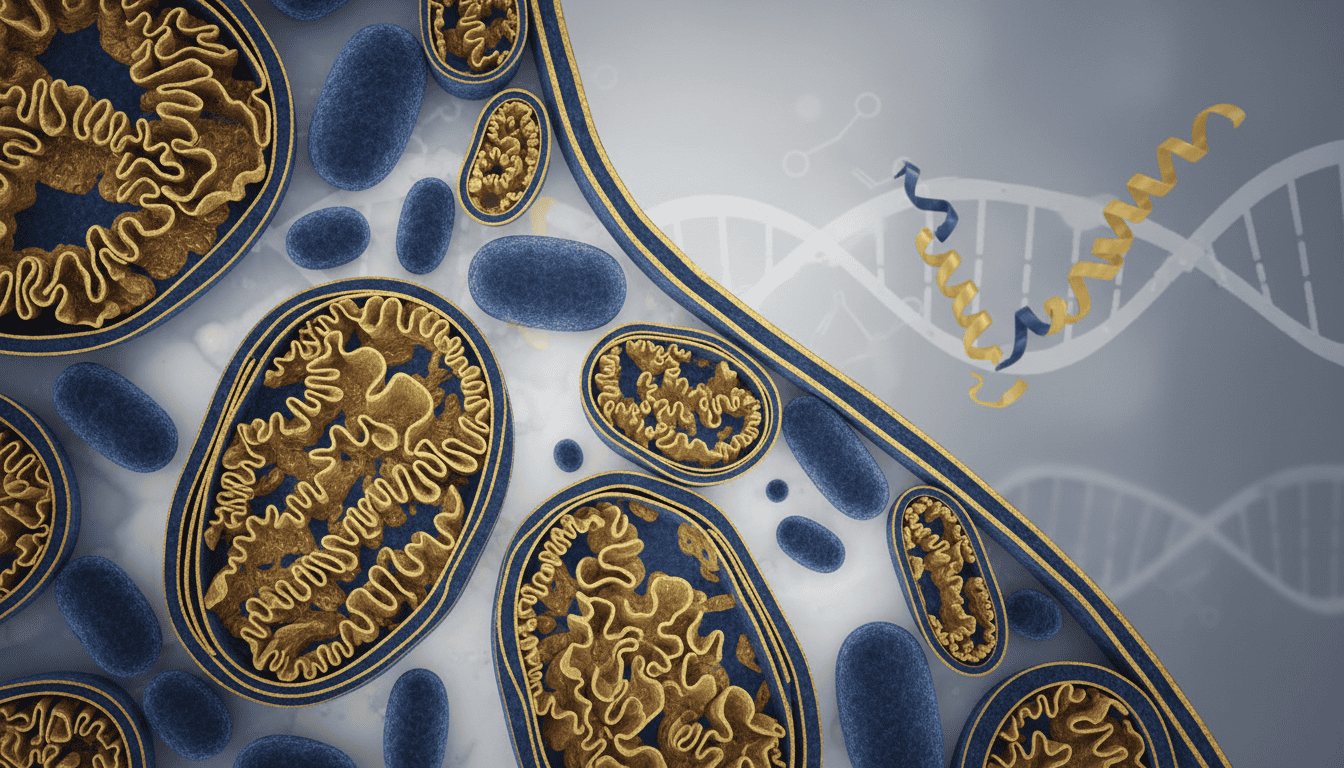
Heart muscle cells require extraordinary amounts of energy. A typical adult heart cell contains hundreds or even thousands of mitochondria, those cellular powerhouses that convert fuel into ATP, the currency of cellular energy. But infant hearts operate differently. Young cardiac cells rely more heavily on carbohydrate metabolism than adult hearts do, and their mitochondria are structured and regulated in ways that reflect this metabolic reality.
The gene switch in question acts as a master regulator, controlling which metabolic pathways are active in infant heart mitochondria. Think of it as a dimmer switch rather than an on-off button. It influences the expression of multiple genes involved in energy production, effectively tuning the mitochondrial machinery to match the developmental stage of the heart. This switch responds to developmental signals, gradually shifting the balance as the infant grows and the heart transitions toward adult metabolic patterns.
The mechanism involves changes in gene expression that occur during the transition from fetal to neonatal life. The switch doesn’t flip overnight. Instead, it gradually adjusts the production of proteins involved in different energy-producing pathways, allowing mitochondrial function to mature alongside the rest of the organ.
What the research shows
Scientists investigating this regulatory switch have observed some striking differences between young and mature cardiac mitochondria. In infant hearts, mitochondria show heightened reliance on carbohydrate oxidation and reduced capacity for fatty acid metabolism compared to adult hearts. This metabolic flexibility appears directly linked to the activity of this genetic controller.
When researchers have examined the gene expression patterns in newborn versus adult cardiac tissue, they’ve found that the switch is highly active in young hearts but progressively downregulated as the animal matures. The genes it regulates encode enzymes and transport proteins critical for glucose utilisation and lactate metabolism. In adult hearts, this switch remains relatively quiet while other regulatory mechanisms take over.
Experimental work has shown that artificially manipulating this switch in young cardiac cells alters their energy production capacity and can shift their metabolic preferences. The cells respond by adjusting their mitochondrial structure and the complement of proteins they produce. These aren’t subtle changes either. The shift in metabolic capability can be substantial enough to affect cell function.
Why cells need this
Evolution didn’t equip infant hearts with adult metabolism by accident. A newborn faces a radically different environment than a developing fetus. Inside the womb, glucose is abundant and delivered directly through the placenta. After birth, the infant must manage its own glucose levels, feeding becomes discontinuous, and energy demands shift.
The metabolic preference for carbohydrates in infant hearts makes physiological sense. Newborns have substantial glycogen stores and their livers are actively learning how to regulate blood glucose. A heart that can efficiently use glucose and lactate is actually well suited to this transitional period. As the infant grows and develops the capacity to metabolise fats more effectively, the heart gradually adapts its own fuel preferences.
This gene switch essentially acts as a developmental timer, ensuring that mitochondrial function matches what the rest of the body can provide. It’s a coordination mechanism. The heart’s energy production system stays in sync with the infant’s overall metabolic capabilities, preventing a mismatch between what the organ demands and what the body can supply.
What affects this gene switch
The activity of this regulatory switch responds to several environmental and physiological signals. Developmental age is the primary driver, but other factors influence it too. Hormonal changes during the transition from fetal to neonatal life appear critical. Thyroid hormone and catecholamines both influence cardiac metabolism during this period, and evidence suggests they affect the activity of this gene switch.
Oxygen availability also plays a role. The fetal environment is relatively hypoxic compared to neonatal life. After birth, when oxygen levels in the blood increase substantially, this shift in oxygenation influences mitochondrial signalling and gene expression patterns. The switch appears sensitive to this change, responding by adjusting metabolic capacity.
Nutritional status can affect the timing and magnitude of the metabolic shift. Studies examining hearts from animals fed different diets have found variations in how quickly this switch transitions from the infant to adult pattern. Temperature, activity level, and other systemic stressors also leave their marks on the timing of this developmental transition.
What remains unknown
Despite the progress researchers have made in characterising this gene switch, substantial questions remain unanswered. The precise molecular signals that activate and deactivate it are still being worked out. Scientists understand some of the hormonal and oxygen-related triggers, but the complete signalling cascade remains murky.
There’s also uncertainty about individual variation. Not all infants progress through this metabolic transition at exactly the same pace. Some children adapt their cardiac metabolism more quickly than others. What drives these differences? Genetic variation almost certainly plays a role, but which genes matter most and how they interact remains unclear.
The clinical relevance of this gene switch is another frontier. Researchers are investigating whether problems with this transition might contribute to certain paediatric heart conditions or affect how young hearts respond to stress. Early evidence suggests potential connections, but this work is still preliminary and speculative at this stage.
The story of this gene switch illustrates something fundamental about cellular biology: development isn’t a predetermined march toward an adult state, but rather a series of coordinated adjustments that match cellular function to the organism’s current needs. This particular switch controls one crucial adjustment in the developing heart, but it’s almost certainly not alone. Researchers studying early organ development are increasingly recognising that developmental transitions involve dozens or hundreds of such regulatory shifts, each fine-tuning cellular function for the next stage of life. Understanding these mechanisms gives us insight into how bodies build themselves and what can go wrong when those developmental programs falter.

Matt Elliott is the editor of Redox News Today, an independent publication covering peer-reviewed research on cellular health, redox signalling, and related biomedical science.