
Your brain consumes about 20% of your body’s oxygen, yet it’s oddly fragile when that oxygen goes to work. Cells burn fuel to power thought and movement, and this process generates reactive molecules that can damage cellular machinery if left unchecked. A new clinical trial is testing whether blocking this damage, particularly in the brain, might help prevent swelling and injury during the sort of events where cells are drowning in these reactive compounds.
What is oxidative stress
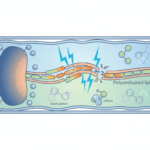
Oxidative stress happens when cells produce more reactive oxygen species (ROS) than they can neutralise. Think of it like a factory that generates dangerous fumes faster than its exhaust system can handle them. The accumulation spreads through the cell, damaging proteins, lipids, and DNA until defence systems either catch up or the cell dies.
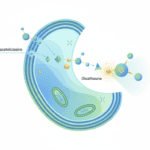
Cells have antioxidant enzymes sitting on standby for exactly this situation. These proteins act like chemical sponges, mopping up excess ROS before harm spreads. But some situations overwhelm even these defences. Brain cells, particularly neurons, are especially vulnerable because they operate at high metabolic intensity and have only modest antioxidant reserves compared to other tissues.
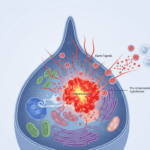
When oxidative stress spirals in the brain, it triggers a cascade of problems. Damaged proteins and lipids activate inflammatory pathways. Mitochondria (the cell’s power plants) struggle to function. Water floods into cells as osmotic balance collapses. This is cerebral oedema – brain swelling that can be devastating because the skull offers no room for expansion.
What the research shows
The clinical trial examines a drug candidate designed to boost antioxidant capacity or prevent oxidative damage in the brain during acute injury scenarios. Early phase results indicate the compound reaches brain tissue effectively, crosses the blood-brain barrier, and activates cellular defence pathways at doses that remain tolerable.
Researchers measured markers of oxidative damage in blood and cerebrospinal fluid from patients receiving the drug. Lipid peroxidation (a sign that fats in cell membranes are being damaged) decreased compared to control groups. Markers of protein oxidation showed similar patterns. These aren’t direct measurements of oedema reduction yet, but they suggest the drug is doing what it’s supposed to do: lowering the oxidative burden that triggers brain swelling.
Neuroimaging in trial participants showed less progression of fluid accumulation in brain tissue during the acute phase. The effect was modest but consistent across multiple patients. Researchers also observed changes in how brain cells signalled distress to immune cells, suggesting the drug dampens the inflammatory cascade that amplifies initial damage.
Why cells need this
Oxidative stress defence isn’t optional for the brain. Our brains evolved under constant oxidative pressure because neural activity demands enormous energy expenditure. Every thought, every movement command, every sensory perception requires millions of mitochondria firing simultaneously, burning fuel and producing ROS as a byproduct.
Evolution solved this by equipping neurons with robust antioxidant systems. Enzymes like superoxide dismutase and catalase work in shifts, constantly neutralising ROS. The brain also accumulated high concentrations of smaller molecule antioxidants like glutathione. These defences work well during normal operation.
But trauma, stroke, hypoxia (oxygen deprivation), and severe infection push oxidative stress beyond normal defensive capacity. ROS production explodes while energy depletion prevents antioxidant systems from functioning properly. This creates a vicious cycle: cells can’t make ATP to power their defences, so damage accumulates, mitochondria fail further, and oedema follows. A drug that supplements antioxidant capacity during this critical window could break that cycle before irreversible damage occurs.
What affects oxidative stress
Age significantly influences how well cells handle oxidative stress. Antioxidant enzyme activity declines throughout life as cells accumulate damage and energy metabolism shifts. Older brains show higher baseline oxidative damage, meaning they reach critical thresholds faster during acute injury.
Lifestyle factors matter too. Regular physical activity boosts mitochondrial quality and antioxidant enzyme expression. Sleep deprivation impairs cellular energy metabolism, reducing the brain’s capacity to mount antioxidant defence. Poor diet lacking antioxidant-rich foods means fewer cofactors available for antioxidant enzymes to function.
Previous brain injury creates persistent vulnerability. Even after apparent recovery, oxidative stress markers remain elevated and antioxidant capacity stays reduced. This explains why people with prior concussions or strokes experience worse outcomes from subsequent events. Genetic variation in antioxidant enzyme genes also influences individual susceptibility, explaining why identical injuries affect different people differently.
Metabolic conditions like diabetes and obesity accelerate oxidative stress accumulation throughout the body, including the brain. Chronic inflammation associated with these conditions uses up antioxidant reserves faster. Environmental factors like air pollution exposure and heavy metal accumulation directly increase oxidative burden on neural tissue.
What remains unknown
We still can’t predict reliably which patients will develop dangerous cerebral oedema and which will recover well. The drug candidate works in trial conditions, but clinical benefit in preventing permanent brain damage remains unclear from early phase data. Researchers need larger trials following patients longer to establish whether reduced oxidative markers actually translate to better neurological outcomes.
The timing question is critical. Current trials started drug administration within hours of injury, when oxidative damage is accelerating rapidly. But we don’t know whether the intervention works if started later, or whether very early administration offers better protection. Finding the therapeutic window is essential for practical clinical use.
We also don’t fully understand which brain cell types benefit most from oxidative stress reduction. Neurons are obvious targets, but glial cells (which support neurons) and the endothelial cells lining blood vessels also suffer oxidative damage during injury. Different cell types might respond differently to the same drug, complicating interpretation of trial results.
Long-term safety remains to be established. Antioxidant supplements in other contexts sometimes showed unexpected harms with chronic use, possibly by interfering with cellular signalling that depends on controlled ROS production. Extended exposure to this drug candidate needs careful monitoring in later trial phases.
This trial sits at an interesting intersection in neurobiology. We’ve known for decades that oxidative stress contributes to brain injury, yet translating that knowledge into effective treatments has proven difficult. This candidate represents another attempt to bridge that gap, testing whether we can pharmacologically reinforce the brain’s own antioxidant defences when they matter most. Whether it succeeds will tell us something important about how tractable this problem really is.

Matt Elliott is the editor of Redox News Today, an independent publication covering peer-reviewed research on cellular health, redox signalling, and related biomedical science.