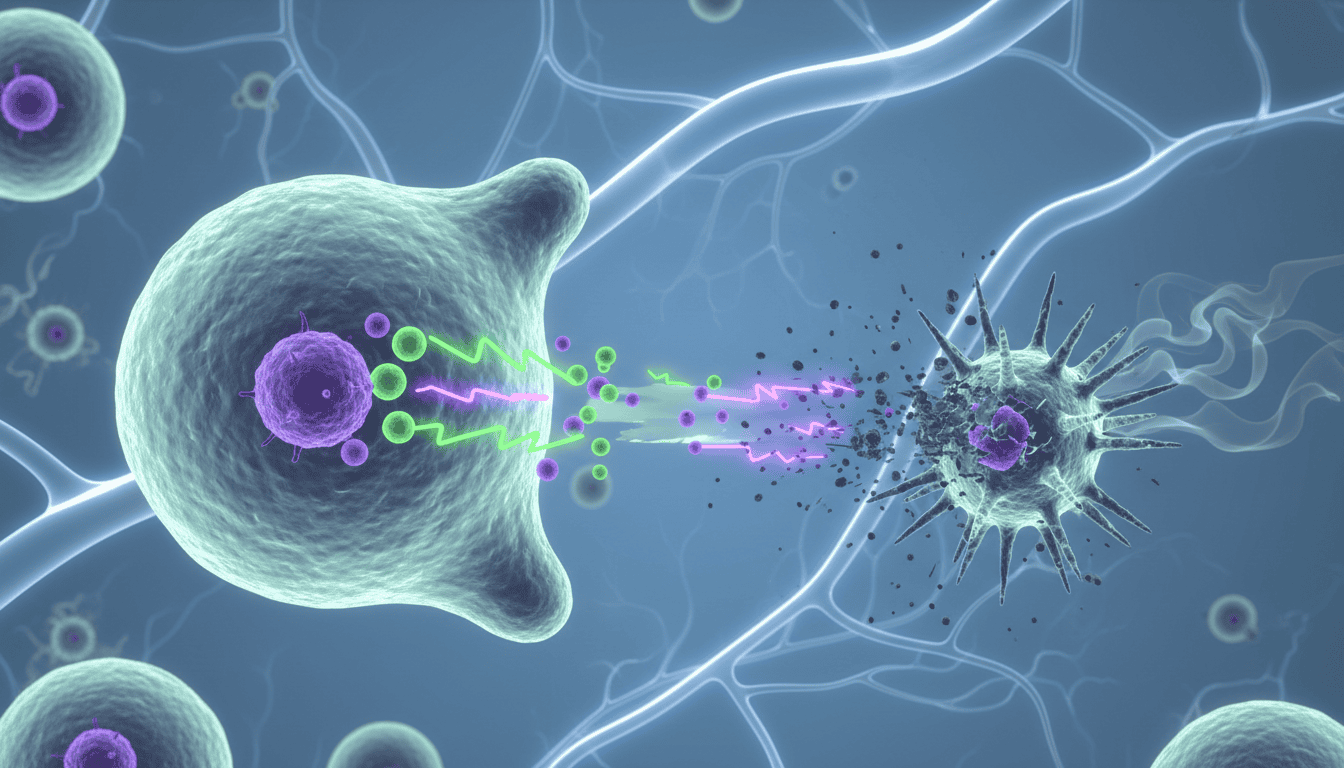
Your white blood cells are armed with chemical weapons. When a neutrophil encounters a bacterial invader, it doesn’t just engulf the threat and hope for the best. Instead, it unleashes what scientists call an oxidative burst, flooding the trapped pathogen with highly reactive molecules that can shred bacterial cell walls, disrupt viral proteins, and generally wreak havoc on anything that doesn’t belong in your body.
What is the oxidative burst
The oxidative burst is essentially controlled cellular arson. When immune cells like neutrophils and macrophages detect a pathogen, they rapidly ramp up oxygen consumption and start producing reactive oxygen species. These molecules include hydrogen peroxide, superoxide radicals, and hypochlorous acid, the same bleaching agent found in household cleaners.
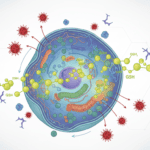
This process happens inside specialised compartments called phagosomes. Think of them as cellular prison cells where captured pathogens meet their end. The immune cell engulfs the invader, seals it inside a phagosome, then floods this space with toxic oxygen compounds. It’s like trapping an intruder in a room and filling it with poison gas.
The key enzyme driving this process is NADPH oxidase, which sits in the phagosome membrane and churns out superoxide radicals. These radicals then transform into other reactive species through a cascade of chemical reactions. The whole system activates within seconds of pathogen recognition and can maintain this toxic environment for minutes or even hours.
What the research shows
Studies using fluorescent markers reveal just how dramatic this cellular warfare becomes. Researchers can watch neutrophils light up like Christmas trees as they generate reactive oxygen species. The burst is so intense that individual cells can consume 20 times more oxygen than normal resting cells.
Scientists have measured the concentrations of these toxic compounds inside phagosomes and found levels that would be lethal to most forms of life. Hydrogen peroxide reaches concentrations hundreds of times higher than what kills bacteria in laboratory cultures. The pH inside these compartments also drops dramatically, creating an acidic environment that further damages pathogens.
Electron microscopy studies show the physical destruction this causes. Bacterial cell walls develop holes and start to disintegrate. Viral particles lose their structural integrity. Even hardy spores, which can survive extreme conditions, succumb to this chemical assault. The oxidative burst doesn’t just kill pathogens, it tears them apart at the molecular level.
Research has also revealed that different immune cells deploy slightly different versions of this strategy. Neutrophils produce the most intense bursts but burn out quickly. Macrophages generate more sustained attacks. Eosinophils specialise in oxidative weapons designed for larger parasites.
Why cells need this mechanism
Evolution faced a fundamental problem when complex life emerged. Larger organisms with slower reproduction rates couldn’t outrun rapidly dividing pathogens through natural selection alone. They needed immediate, effective weapons. The oxidative burst solved this by turning oxygen, an abundant resource, into a versatile arsenal.
This system works because it’s indiscriminate. While some pathogens evolve resistance to specific antimicrobial peptides, defending against multiple reactive oxygen species simultaneously proves much harder. It’s like trying to armour against bullets, acid, and fire all at once. The oxidative burst essentially carpet bombs invaders with different types of molecular damage.
The speed of activation also provides crucial advantages. Pathogens reproduce rapidly, so immune responses need to match that pace. The oxidative burst can commence within seconds, giving invaders little time to establish themselves or deploy countermeasures.
Energy efficiency matters too. While producing reactive oxygen species requires significant metabolic resources, it’s more economical than manufacturing complex protein-based weapons for every possible threat. One versatile system handles diverse pathogens.
What affects oxidative burst capacity
Age significantly impacts this cellular weapons system. Neutrophils from older adults generate weaker oxidative bursts and sustain them for shorter periods. This decline contributes to increased infection susceptibility in aged populations. The NADPH oxidase system becomes less efficient, and cells struggle to maintain the metabolic demands of intense reactive oxygen production.
Nutritional status influences burst capacity in complex ways. Deficiencies in nutrients required for NADPH oxidase function, including specific vitamins and minerals, can impair the system. However, the relationship isn’t straightforward, as these same nutrients often function as antioxidants elsewhere in the body.
Genetic variations affect individual burst capacity. Some people inherit more efficient versions of the enzymes involved, while others carry mutations that reduce effectiveness. Chronic granulomatous disease, a rare genetic condition, completely disables the oxidative burst, leaving patients vulnerable to infections that healthy immune systems easily clear.
Exercise appears to influence burst function, though the mechanisms remain unclear. Regular physical activity seems to maintain more robust oxidative burst capacity, while sedentary lifestyles correlate with diminished responses. Stress hormones can temporarily suppress burst activity, potentially explaining why psychological stress increases infection risk.
What remains unknown
Scientists still debate how immune cells avoid destroying themselves with their own chemical weapons. While compartmentalisation provides some protection, neutrophils often die after sustained oxidative burst activity. Whether this represents collateral damage or programmed sacrifice remains unclear.
The precise molecular mechanisms that determine burst intensity and duration puzzle researchers. Why do some pathogens trigger more intense responses than others? How do cells calibrate their responses to match threat levels? The signalling pathways involved appear more complex than initially understood.
Researchers are investigating whether the oxidative burst serves functions beyond pathogen killing. Some evidence suggests these reactive species help with cellular signalling and tissue repair, but the full scope of their roles remains undefined.
The relationship between oxidative burst activity and chronic diseases presents another puzzle. While robust burst capacity helps fight infections, excessive or misdirected oxidative activity might contribute to inflammatory conditions. Scientists are working to understand how cells normally prevent this friendly fire.
The oxidative burst reveals immune cells as sophisticated chemical warriors, wielding molecular weapons with precision and power. This ancient defence system continues to protect complex life forms in an ongoing arms race with pathogens. As researchers uncover more details about cellular warfare, they’re finding that our bodies employ strategies as clever and ruthless as any military campaign, all happening invisibly within us every day.

Matt Elliott is the editor of Redox News Today, an independent publication covering peer-reviewed research on cellular health, redox signalling, and related biomedical science.