Your brain weighs about 2% of your body mass but consumes roughly 20% of your daily energy. This metabolic hunger makes perfect sense when you consider that thinking, remembering, and processing information requires constant cellular work. Every thought you have right now depends on tiny power plants called mitochondria working overtime in your neurons.
What are mitochondria in brain cells
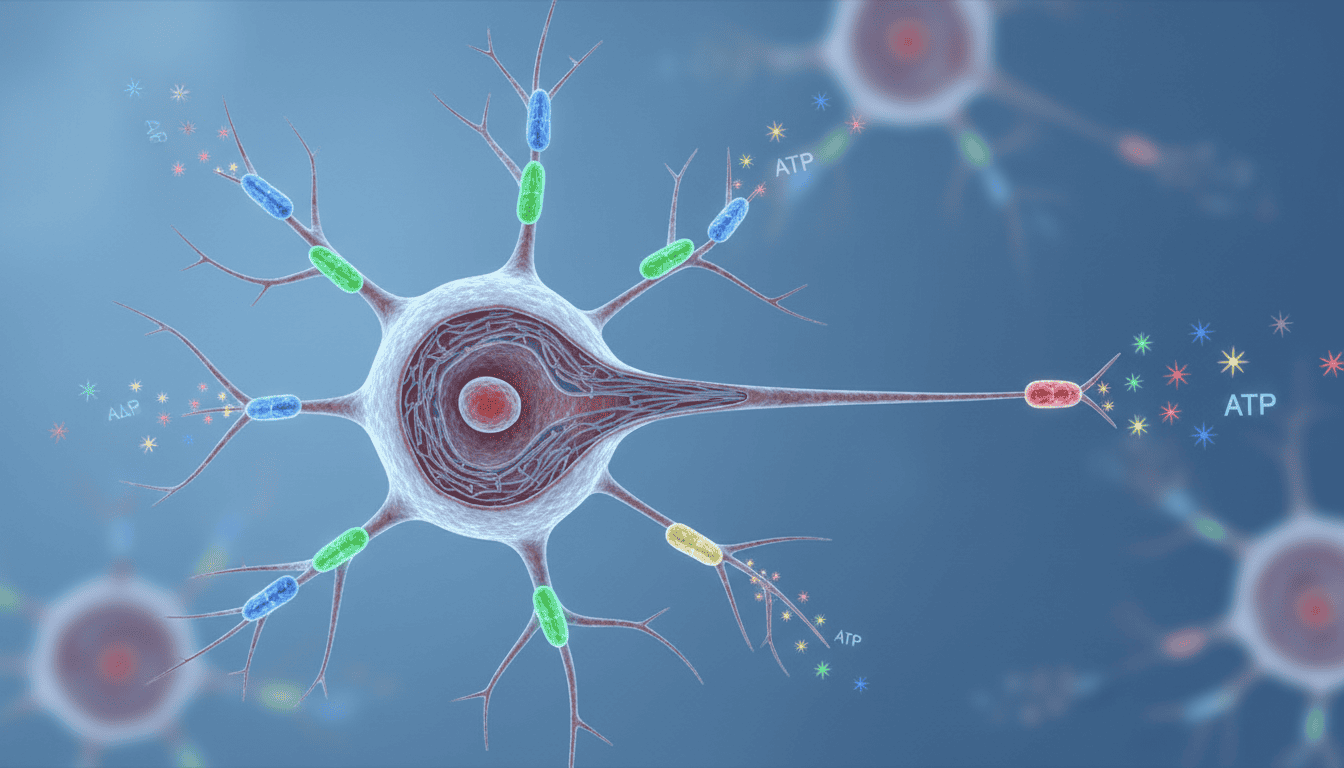
Mitochondria are double-membraned organelles that generate most of your cells’ energy currency, ATP. In brain cells, they face an extraordinary challenge. Neurons fire electrical signals thousands of times per minute, maintain complex connections with other cells, and constantly repair themselves. This demands a lot of fuel.
Brain mitochondria differ from those in other tissues. They’re more densely packed, especially at synapses where neurons communicate. A single neuron can contain thousands of mitochondria, strategically positioned where energy demand peaks. These cellular power plants also produce important signalling molecules and help regulate calcium levels, which neurons use for everything from generating electrical impulses to triggering gene expression.
Unlike muscle mitochondria that mainly focus on ATP production, brain mitochondria multitask. They manufacture neurotransmitter precursors, process cellular waste, and even influence whether a neuron lives or dies. Their location isn’t random either. Mitochondria move along neuronal highways called microtubules, positioning themselves exactly where energy is needed most.
What the research shows
Studies reveal that mitochondrial function directly correlates with cognitive performance. When researchers examine brain tissue from people who maintained sharp minds into old age, they find mitochondria that still function efficiently. These organelles show less oxidative damage and maintain their energy-producing capacity.
Animal studies demonstrate this connection even more clearly. Mice with genetically impaired mitochondrial function show memory deficits and struggle with learning tasks. When scientists boost mitochondrial biogenesis through exercise or caloric restriction, cognitive performance improves. The animals learn faster and remember better.
Brain imaging studies in humans show similar patterns. People with better mitochondrial markers tend to score higher on tests measuring working memory, processing speed, and executive function. Their brains also show less age-related shrinkage in areas critical for memory formation.
Research has identified specific mitochondrial changes that occur during cognitive decline. These organelles become less efficient at producing ATP, generate more reactive oxygen species, and struggle to maintain their own DNA. Their ability to move within neurons also decreases, creating energy shortfalls at crucial locations.
Why cells need this energy system
The brain’s energy demands explain why neurons evolved such sophisticated mitochondrial networks. Transmitting electrical signals across long distances requires enormous amounts of ATP. When you recall a memory, billions of neurons must coordinate their activity, each one firing precisely timed electrical impulses.
Synaptic transmission alone consumes massive energy. Each time a neuron releases neurotransmitters, it must quickly pump ions back across its membrane to reset for the next signal. This process, called repolarisation, depends entirely on ATP-powered pumps. Without sufficient mitochondrial function, neurons simply cannot maintain the rapid-fire communication that underlies thought.
Brain cells also face unique maintenance challenges. Neurons typically don’t divide after development, meaning they must last a lifetime. This requires constant repair of proteins, membranes, and DNA. Mitochondria power these maintenance processes while simultaneously fueling normal brain activity.
The blood-brain barrier adds another layer of complexity. This protective filter limits which nutrients can enter brain tissue. Neurons must efficiently extract energy from available glucose and, when necessary, alternative fuels like ketones. Mitochondria adapt their metabolism to use whatever fuel sources penetrate this barrier.
What affects mitochondrial brain function
Physical exercise stands out as one of the most powerful influences on brain mitochondria. Aerobic activity triggers the production of new mitochondria in neurons and improves their efficiency. Studies show that regular exercise increases levels of proteins that support mitochondrial health and helps maintain cognitive function with ageing.
Sleep quality directly impacts mitochondrial maintenance in the brain. During deep sleep, brain cells activate cleanup processes that remove damaged mitochondrial components and proteins. Poor sleep disrupts these maintenance cycles, leading to accumulating cellular damage over time.
Dietary factors also play significant roles. Intermittent fasting and caloric restriction can stimulate mitochondrial biogenesis in brain tissue. Certain nutrients support mitochondrial function, while others may impair it. High blood sugar levels, for example, can damage mitochondrial membranes through oxidative stress.
Chronic stress affects brain mitochondria through multiple pathways. Stress hormones alter energy metabolism and can impair mitochondrial function. Inflammation, often triggered by chronic stress, creates an environment hostile to healthy mitochondrial operation.
Age remains the most significant factor. Mitochondrial DNA accumulates mutations over time, and the cellular machinery for maintaining these organelles becomes less efficient. However, research suggests that lifestyle factors can significantly influence how quickly this age-related decline occurs.
What remains unknown
Scientists still struggle to understand exactly how mitochondrial dysfunction contributes to different neurodegenerative diseases. While impaired mitochondrial function appears in conditions like Alzheimer’s and Parkinson’s disease, researchers debate whether this is a cause or consequence of the disease process.
The relationship between mitochondrial genetics and cognitive ageing remains murky. Mitochondria have their own DNA, separate from nuclear DNA, and this mitochondrial genome varies between individuals. How these genetic differences influence brain health over decades of life remains an active area of investigation.
Researchers also want to understand mitochondrial communication networks better. These organelles don’t work in isolation but form dynamic networks within cells. How they coordinate their activity and share resources across different brain regions needs more study.
The potential for therapeutic interventions remains largely untested in humans. While animal studies show promising results for compounds that enhance mitochondrial function, translating these findings to human cognitive health requires much more research.
The intricate relationship between mitochondria and brain function reveals how cellular health underpins our mental capabilities. As researchers continue mapping these connections, they’re uncovering fundamental principles about how energy metabolism shapes our capacity to think, learn, and remember. Understanding these cellular power plants offers a window into the remarkable biological machinery that makes consciousness possible.

Matt Elliott is the editor of Redox News Today, an independent publication covering peer-reviewed research on cellular health, redox signalling, and related biomedical science.