When Training Becomes Cellular Stress
Exercise is widely recognised for its health benefits, from improved cardiovascular function to enhanced mental wellbeing. However, when training intensity and volume exceed the body’s capacity to recover, athletes and fitness enthusiasts can develop overtraining syndrome. This condition goes far beyond simple fatigue, creating a cascade of cellular disruption that can take weeks or months to resolve.
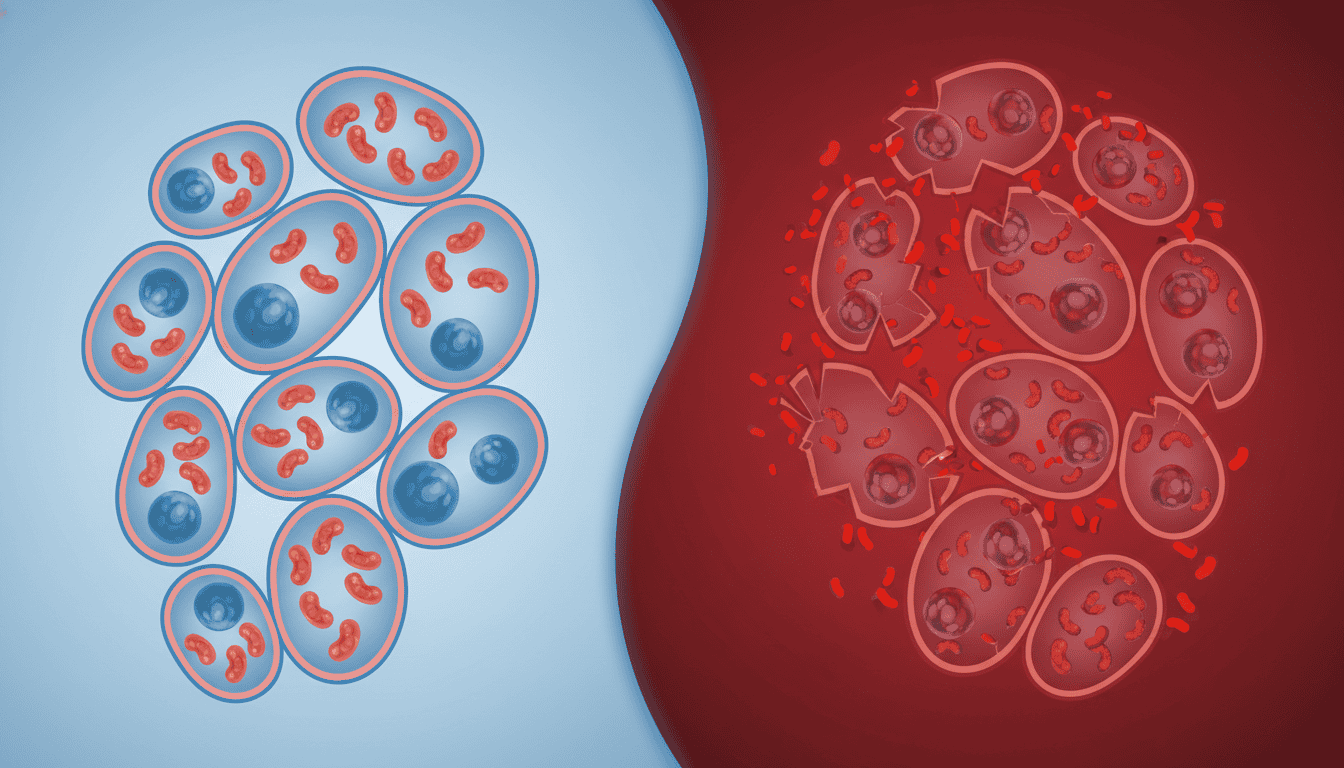
At the cellular level, overtraining syndrome represents a fundamental breakdown in the balance between oxidative stress and antioxidant defence systems. When this equilibrium shifts dramatically towards oxidative stress, cells throughout the body begin to suffer damage that affects their basic functions, from energy production to protein synthesis.
The Oxidative Storm in Overtrained Cells
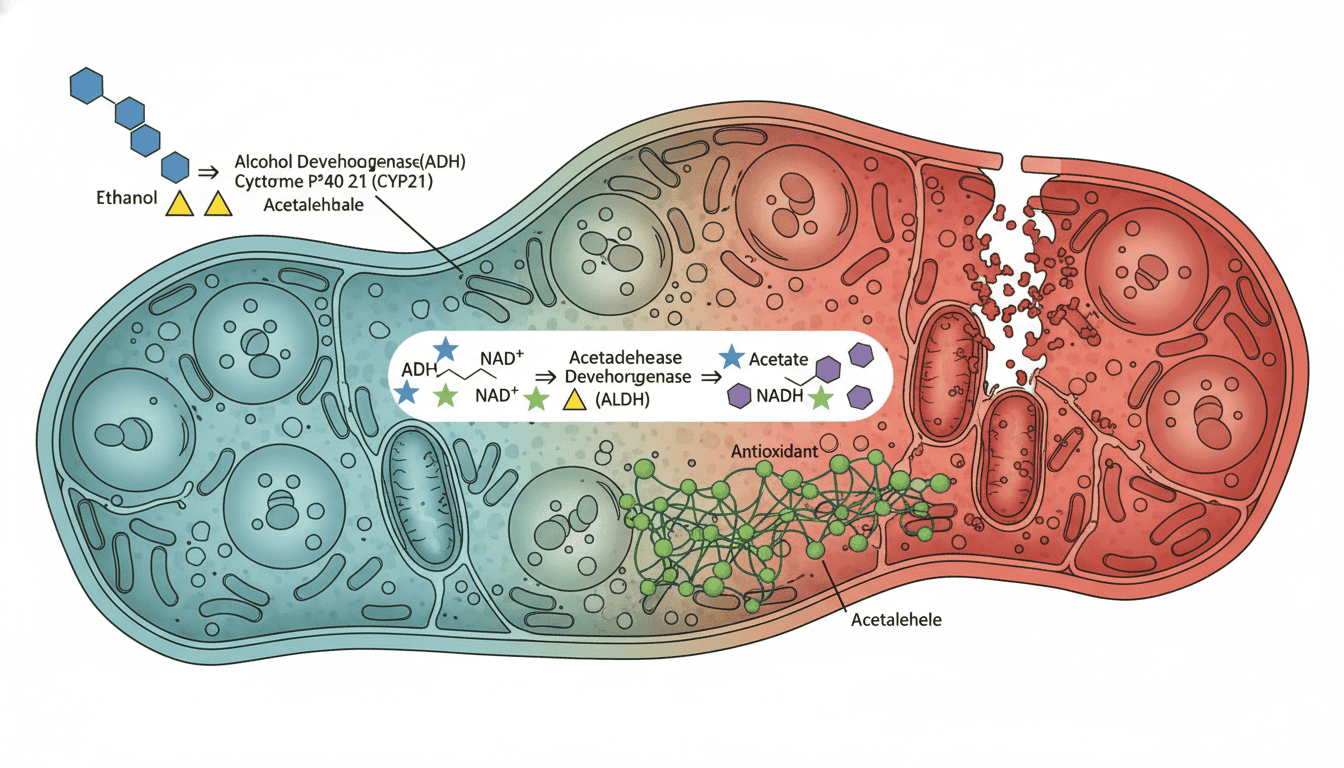
During intense exercise, muscle cells naturally increase their production of reactive oxygen species (ROS) as a byproduct of elevated metabolism. Under normal training conditions, this temporary increase in ROS actually serves beneficial purposes, including enhancing muscle adaptation and improving antioxidant enzyme activity. However, when training stress becomes chronic and recovery inadequate, ROS production can overwhelm cellular defence mechanisms.
Mitochondria, the cellular powerhouses responsible for energy production, become particularly vulnerable during overtraining. These organelles contain their own DNA and are especially susceptible to oxidative damage. When mitochondrial function becomes impaired, cells struggle to meet their energy demands, leading to the persistent fatigue characteristic of overtraining syndrome.
The oxidative damage extends beyond muscle cells to affect immune cells, which may explain why overtrained athletes often experience increased susceptibility to infections. Research has shown that chronic oxidative stress can impair the function of neutrophils and other immune cells, compromising the body’s ability to fight off pathogens.
Inflammatory Cascades and Cellular Communication
Overtraining syndrome also triggers chronic inflammation, creating another layer of cellular stress. When cells are repeatedly exposed to high levels of inflammatory cytokines, their normal signalling pathways become disrupted. This inflammatory environment can interfere with protein synthesis, tissue repair, and cellular regeneration processes.
The hypothalamic-pituitary-adrenal axis, which regulates stress responses throughout the body, becomes dysregulated during overtraining. This disruption affects hormone production and cellular responses to stress signals, creating a state where cells cannot effectively adapt to or recover from training stimuli.
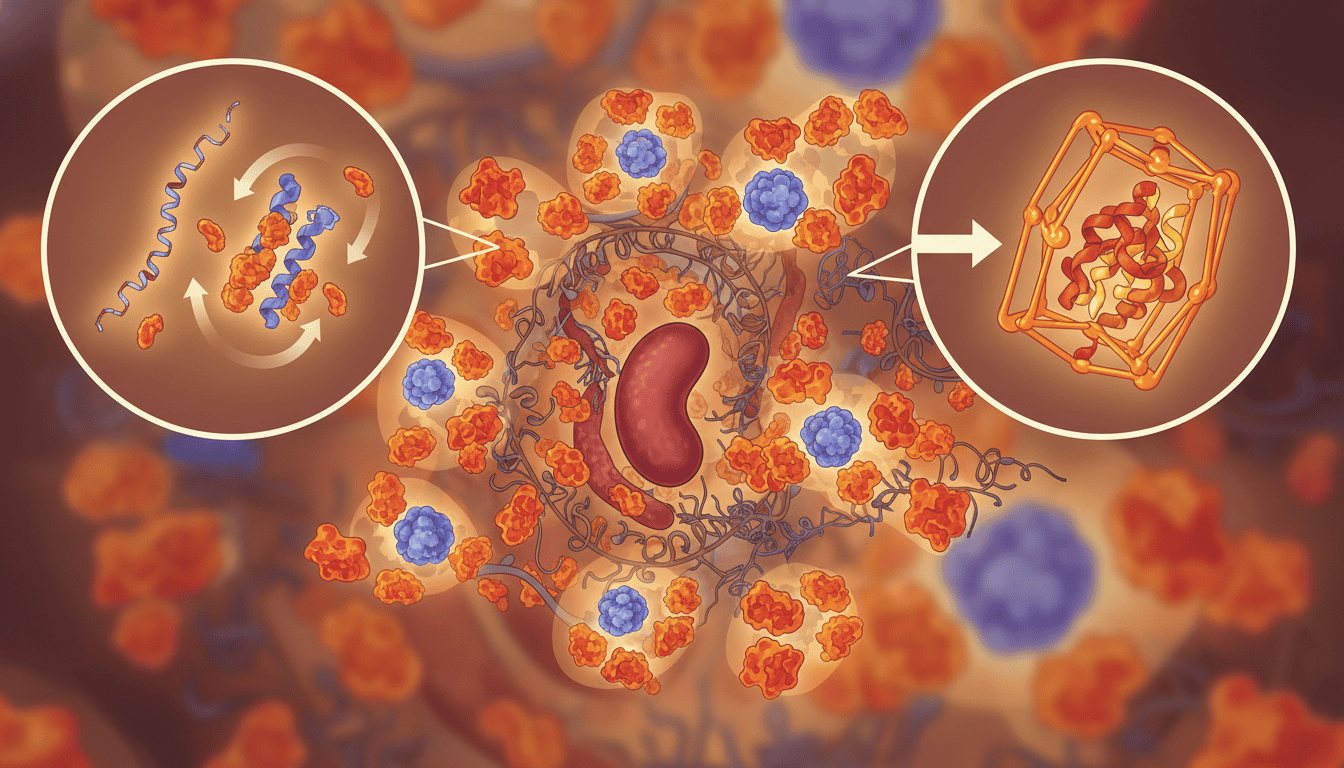
Particularly concerning is the impact on cellular redox signalling networks. These sophisticated communication systems rely on carefully controlled levels of reactive molecules to transmit information between cells and coordinate physiological responses. When overtraining disrupts these networks, the body’s ability to maintain homeostasis becomes compromised.
Recovery Strategies That Support Cellular Repair
The most fundamental approach to addressing overtraining syndrome involves reducing training load to allow cellular repair mechanisms to function effectively. This recovery period must be substantial enough to restore the balance between ROS production and antioxidant defences. Research suggests this process can take anywhere from several weeks to several months, depending on the severity of the overtraining state.
Sleep plays a crucial role in cellular recovery, as many repair processes are most active during rest periods. During sleep, cells can redirect energy from performance demands towards maintenance and repair activities. Growth hormone release, which peaks during deep sleep, supports cellular regeneration and protein synthesis throughout the body.
Nutritional support becomes particularly important during recovery from overtraining. Cells require adequate supplies of antioxidant compounds, including vitamins C and E, along with minerals like zinc and selenium that support antioxidant enzyme function. However, the relationship between antioxidant supplementation and exercise recovery is complex, as some level of oxidative stress is necessary for training adaptations.
The Role of Active Recovery in Cellular Health
Complete cessation of exercise is rarely necessary for recovery from overtraining syndrome. Instead, carefully managed low intensity activity can support cellular recovery by maintaining blood flow and nutrient delivery to tissues without adding significant oxidative stress. This approach, known as active recovery, can help maintain some training adaptations while allowing cellular repair processes to predominate.
Heat therapy and cold exposure, when used appropriately, may support cellular recovery through hormetic stress responses. These controlled stressors can stimulate cellular defence mechanisms and improve mitochondrial function, though their application must be carefully timed to avoid adding to the overall stress load during the acute recovery period.
Monitoring biomarkers of oxidative stress and inflammation can help guide recovery protocols, though access to such testing may be limited outside research settings. More practical indicators include subjective measures of energy levels, sleep quality, and motivation to train, all of which reflect the underlying cellular health status.
Prevention Through Cellular Awareness
Understanding overtraining syndrome from a cellular perspective highlights the importance of viewing training as a biological process that must respect cellular limitations. Periodisation strategies that incorporate adequate recovery periods allow cells to adapt and strengthen their antioxidant defences rather than becoming overwhelmed by continuous stress.
Individual variation in cellular stress responses means that training loads tolerated by one athlete may lead to overtraining in another. Factors such as genetic differences in antioxidant enzyme activity, sleep quality, nutritional status, and life stress all influence cellular resilience to training stress.
The cellular damage associated with overtraining syndrome serves as a reminder that cellular health forms the foundation of all physiological function. When cells cannot effectively manage oxidative stress, maintain energy production, or communicate through normal signalling pathways, the entire organism suffers. By understanding these cellular mechanisms, athletes and coaches can make more informed decisions about training loads, recovery protocols, and the warning signs that indicate cellular stress is exceeding adaptive capacity. This cellular perspective reinforces that optimal performance and long term health depend not just on training hard, but on maintaining the cellular environment that makes adaptation and improvement possible.

Matt Elliott is the editor of Redox News Today, an independent publication covering peer-reviewed research on cellular health, redox signalling, and related biomedical science.