Your cells are burning fat right now. Not necessarily because you exercised this morning, but because keeping the lights on requires energy, and fat is one of your cells’ preferred fuels. What’s less obvious is that the proteins controlling this fat-burning process do far more than just produce energy. They act as cellular managers, sending signals deep into the nucleus that reshape how your genes behave and how healthy your cells remain.
What is nuclear signalling in fat metabolism?
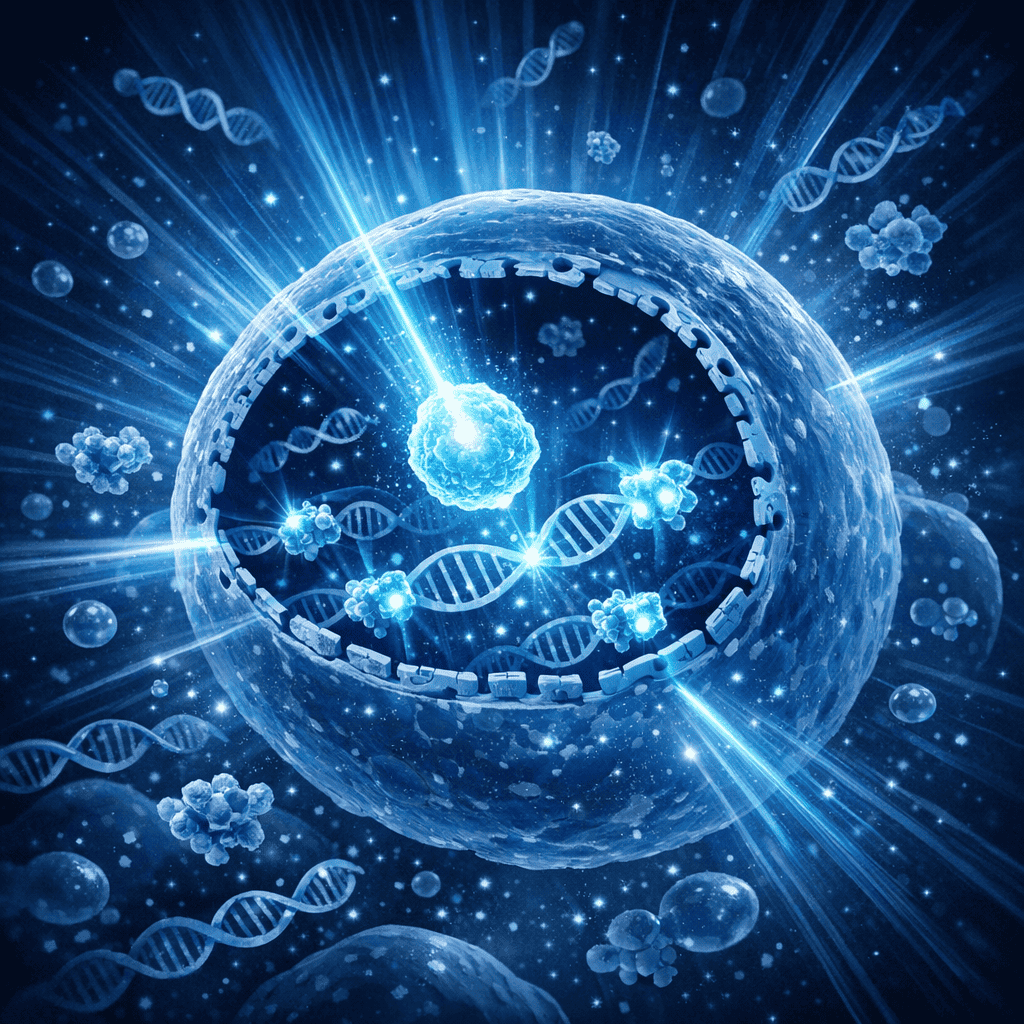
When your cells break down fat for energy, they’re not just running a simple furnace. The process generates molecules that travel to the cell nucleus and influence which genes get switched on or off. Think of it like this: burning fat produces chemical messengers that knock on your cell’s control centre and say “we’ve got fuel on board.” The nucleus listens and adjusts the cell’s behaviour accordingly.
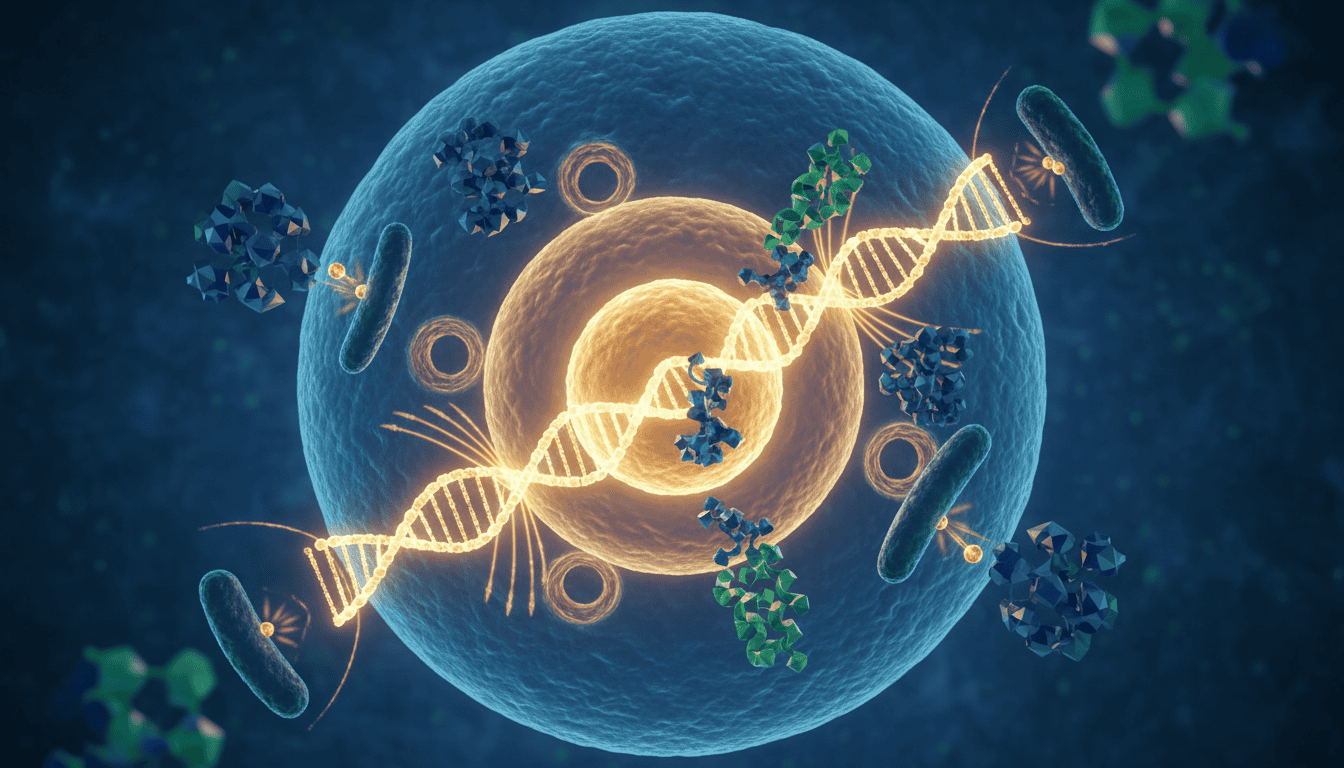
The main players here are proteins called sirtuins and PPARs (peroxisome proliferator-activated receptors). These act as sensors that detect when fat metabolism is ramped up. Once activated, they move into the nucleus and bind to DNA, fundamentally changing which genes are expressed. This isn’t a one-way conversation. The nucleus sends signals back out to the mitochondria and other cellular structures, creating a coordinated response that extends far beyond just energy production.
This signalling system evolved because survival has always required flexibility. When food is scarce and your body shifts to burning stored fat, cells need to simultaneously adjust their defences, repair machinery, and stress responses. Having fat metabolism directly control these broader cellular programs made evolutionary sense. It still does.
What the research shows
Studies over the past decade have revealed something unexpected: activating these fat-burning pathways triggers protective responses across the cell. When sirtuins become active through fat metabolism, they suppress genes involved in inflammation and activate genes for DNA repair and antioxidant defence. The effect ripples outward. Cells show improved resistance to oxidative stress, better mitochondrial function, and enhanced ability to handle damaged proteins.
Researchers have observed this in various cell types and animal models. When these nuclear signalling pathways are artificially boosted, cells behave in ways that resemble what happens during fasting or exercise, even without actual energy restriction. The reverse is also true: when these pathways are disrupted, cells lose coordinated stress defence and show signs of accelerated ageing.
One particularly telling observation involves SIRT1, a sirtuin that responds to fat metabolism. Cells with high SIRT1 activity maintain stronger DNA repair, better protein quality control, and more stable metabolic patterns. This isn’t marginal. The differences between cells with active versus inactive fat-burning signalling are substantial enough that they show up clearly in standard cellular health measurements.
Why cells need this system
The logic is elegant. When a cell is burning fat, it’s operating in a fuel-abundant state. This is precisely when the cell can afford to invest energy in maintaining and repairing itself. Spending resources on DNA repair, clearing out damaged proteins, and strengthening antioxidant defences makes sense when you have fuel to burn. By linking fat metabolism directly to these maintenance programs, evolution created a system where prosperity and health reinforce each other.
There’s also a defensive angle. Fat metabolism generates reactive molecules that can damage the cell if left unchecked. By activating the cell’s antioxidant and repair systems simultaneously, the signalling pathway protects against this self-inflicted harm. It’s like the cell has learned to turn on its safety equipment whenever it’s running at high power.
This system also allows rapid coordination. Instead of each cellular maintenance process independently checking whether conditions are right for operation, they all take cues from a central signal. That nuclear signalling acts as a dispatch centre, ensuring everything activates together when circumstances are favourable.
What affects fat-burning signalling
Age matters considerably. As people and animals age, the activity of sirtuins and other fat-burning signalling proteins naturally declines. The system becomes less responsive to the signals it used to recognise clearly. This may explain why older individuals often show reduced metabolic flexibility, struggling to efficiently shift between different fuel sources.
Physical activity amplifies these signalling pathways. Exercise doesn’t just burn calories; it increases the activity of sirtuins and PPARs, strengthening the connection between fat metabolism and cellular health. Regular movement essentially keeps these signalling systems in good working order. Conversely, sustained physical inactivity allows the pathways to become sluggish and less responsive.
Dietary patterns influence the system as well. Periods of lower food intake or intermittent patterns of eating appear to enhance sirtuin activity, though the mechanisms are still being mapped. Temperature exposure, sleep quality, and chronic stress all modulate how vigorously these fat-burning pathways function. The system isn’t isolated. It’s woven into your overall biology.
What remains unknown
Researchers still can’t fully explain why sirtuin activity declines so dramatically with age. Is it a built-in limitation, a consequence of accumulated cellular damage, or something we can influence? The question matters because if age-related decline is inevitable, interventions face a higher bar than if it’s merely a consequence of inactivity or changed circumstances.
The tissue-specific effects remain poorly understood. Fat-burning signalling works differently in muscle versus liver versus brain. Why these tissues respond differently to the same signals isn’t clear. Understanding this could reveal why some tissues age faster than others, or why people show such varied responses to exercise and dietary changes.
We also lack clarity on the precise balance needed. More sirtuin activity isn’t automatically better. Extremely high activity of these pathways can cause problems of its own. What’s the optimal level? Does it change with age, activity level, or overall health status? These questions point toward why a one-size-fits-all approach to activating these pathways is unlikely to work.
The discovery that your cells’ energy management systems control their fundamental health and defence mechanisms reveals something important about biology: there are no independent systems. How your cells fuel themselves directly determines how they age, repair themselves, and resist damage. The fat-burning machinery isn’t peripheral to cellular health. It’s central to it. Understanding this signalling has opened doors to asking better questions about what keeps cells functional across decades of life.

Matt Elliott is the editor of Redox News Today, an independent publication covering peer-reviewed research on cellular health, redox signalling, and related biomedical science.