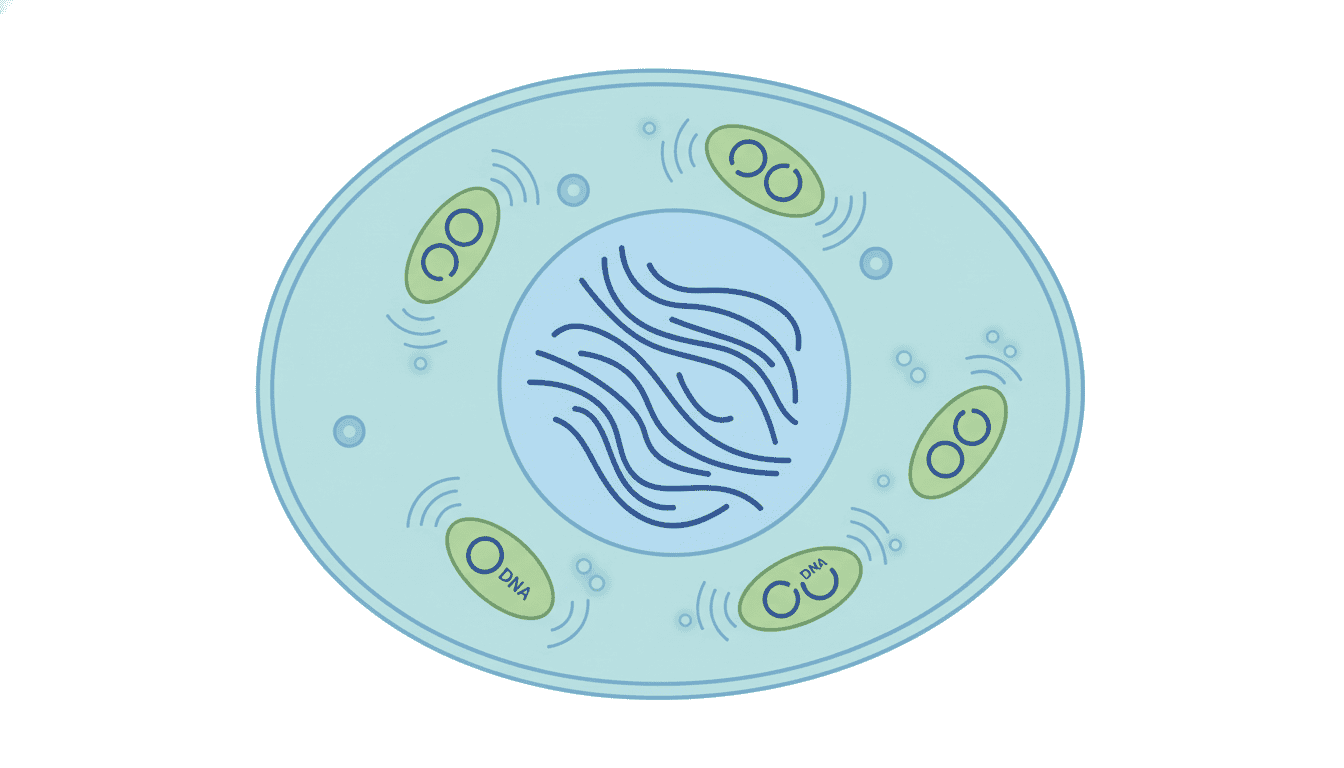
Every cell in your body carries two completely separate genetic libraries. While most of your DNA sits neatly packaged in the nucleus, your mitochondria stubbornly maintain their own tiny collection of genes. This genetic independence isn’t just an evolutionary quirk. It reveals one of the most dramatic partnerships in the history of life on Earth.
What is mitochondrial DNA
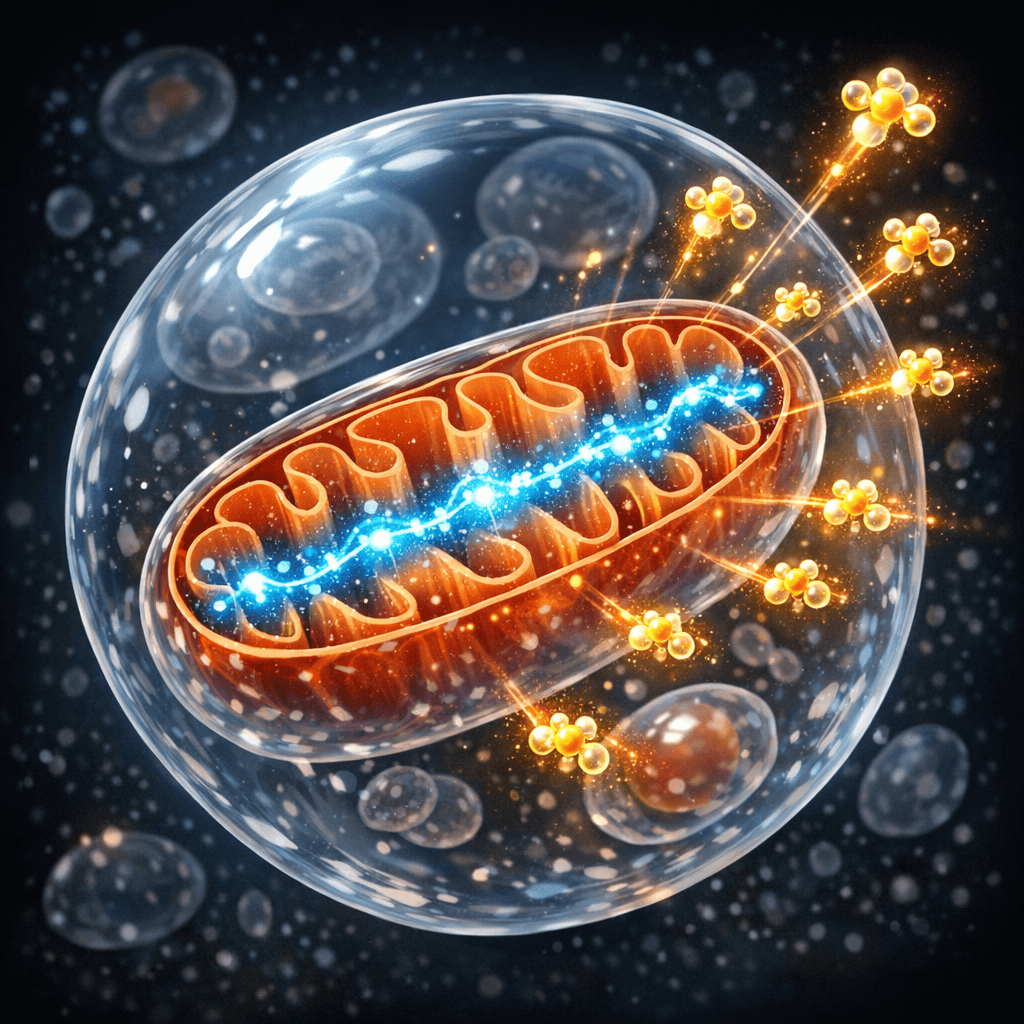
Mitochondrial DNA exists as small, circular molecules floating inside each mitochondrion. Unlike the massive nuclear genome with its 20,000-plus genes, mitochondrial DNA is remarkably compact. It contains just 37 genes packed into a circular strand about 16,500 base pairs long.
These genes don’t code for random cellular housekeeping tasks. They’re laser-focused on one job: energy production. Thirteen genes encode proteins that form part of the electron transport chain, the cellular machinery that converts nutrients into usable energy. The remaining genes produce the transfer RNAs and ribosomal RNAs needed to manufacture those proteins right inside the mitochondrion.
This DNA follows different rules than nuclear DNA. It uses a slightly altered genetic code, almost no non-coding sequences, and gets inherited exclusively from the mother. Each mitochondrion contains multiple copies of this genome, and each cell houses hundreds to thousands of mitochondria.
What the research shows
Scientists have traced mitochondrial DNA back through evolutionary history, and the story it tells is extraordinary. Molecular clock studies suggest mitochondria began as free-living bacteria that took up residence inside early eukaryotic cells around 1.5 billion years ago.
Genome sequencing reveals that mitochondrial DNA shares striking similarities with α-proteobacteria, particularly species like Rickettsia. The circular structure, gene organisation, and protein sequences all point to this bacterial ancestry. But modern mitochondrial genomes are drastically reduced compared to their bacterial relatives.
Researchers have documented how genes migrate from mitochondria to the nucleus over evolutionary time. Some species retain more mitochondrial genes than others. Plants keep around 100 genes in their mitochondria, while some single-celled organisms have pared their mitochondrial genomes down to fewer than 20 genes. Humans sit somewhere in the middle with our 37-gene collection.
Studies of mitochondrial inheritance patterns show remarkable consistency across species. The maternal inheritance isn’t absolute, but paternal mitochondrial DNA typically gets actively destroyed or diluted to undetectable levels during reproduction.
Why cells need this arrangement
The persistence of separate mitochondrial DNA after billions of years suggests genuine evolutionary advantages. Speed appears to be one key factor. Energy demands can spike rapidly in cells, and mitochondria positioned throughout the cell can respond immediately by ramping up protein synthesis using their local genetic machinery.
The redox regulation hypothesis offers another compelling explanation. The genes that remain in mitochondria encode proteins involved in electron transport, where the local chemical environment matters enormously. Having these genes respond directly to local oxidation conditions allows for precise, real-time control of energy production.
Maternal inheritance creates genetic bottlenecks that may actually help maintain mitochondrial DNA quality. By filtering mitochondrial genomes through single egg cells rather than allowing mixing from both parents, cells may reduce the accumulation of harmful mutations and genetic conflicts between different mitochondrial lineages.
The compact, streamlined nature of mitochondrial genomes reflects intense selective pressure. Every base pair costs energy to replicate and maintain. The genes that survive this filter represent the absolute essentials that can’t be outsourced to nuclear control.
What affects mitochondrial DNA
Mitochondrial DNA accumulates mutations at a rate roughly 10 times faster than nuclear DNA. The high-energy, oxidative environment inside mitochondria creates constant DNA damage. Age-related changes in mitochondrial DNA copy number and mutation frequency appear across many species and tissue types.
Physical exercise influences mitochondrial DNA in measurable ways. Endurance training increases mitochondrial DNA copy numbers in muscle tissue and enhances the cellular machinery for mitochondrial protein synthesis. Different types of exercise create distinct patterns of mitochondrial adaptation.
Environmental toxins and certain medications can specifically target mitochondrial DNA replication and transcription. The antiretroviral drug stavudine, for example, interferes with mitochondrial DNA polymerase, leading to mitochondrial dysfunction in some patients.
Caloric restriction and certain dietary compounds appear to influence mitochondrial DNA stability and expression patterns. The mechanisms remain unclear, but studies consistently show changes in mitochondrial gene expression in response to nutritional interventions.
What remains unknown
The evolutionary forces that determine which genes stay in mitochondria versus migrate to the nucleus remain hotly debated. The redox regulation hypothesis explains some patterns but not others. Why do different species retain different sets of mitochondrial genes?
Scientists are still working out how mitochondrial and nuclear genomes coordinate their activities. These two genetic systems must work together seamlessly, yet they evolve at different rates and respond to different selective pressures. The communication mechanisms between these genomes represent a major frontier in cellular biology.
The role of mitochondrial DNA in disease remains partially mysterious. While researchers have identified hundreds of mitochondrial DNA mutations linked to human diseases, the relationships between specific mutations, cellular dysfunction, and clinical symptoms often defy simple explanation.
How cells maintain quality control over their mitochondrial DNA populations presents ongoing puzzles. Cells somehow monitor and respond to mitochondrial DNA damage, but the sensing mechanisms and repair pathways remain incompletely understood.
The story of mitochondrial DNA illustrates how evolution builds complexity through unlikely partnerships. What began as a bacterial infection became an indispensable cellular alliance, with each partner retaining just enough independence to maintain the relationship. This ancient genetic arrangement continues to shape how every cell in your body produces the energy that keeps you alive, a reminder that cellular biology often preserves solutions that work, even when they seem unnecessarily complicated.

Matt Elliott is the editor of Redox News Today, an independent publication covering peer-reviewed research on cellular health, redox signalling, and related biomedical science.