What happens when stress hormones meet reproductive cells
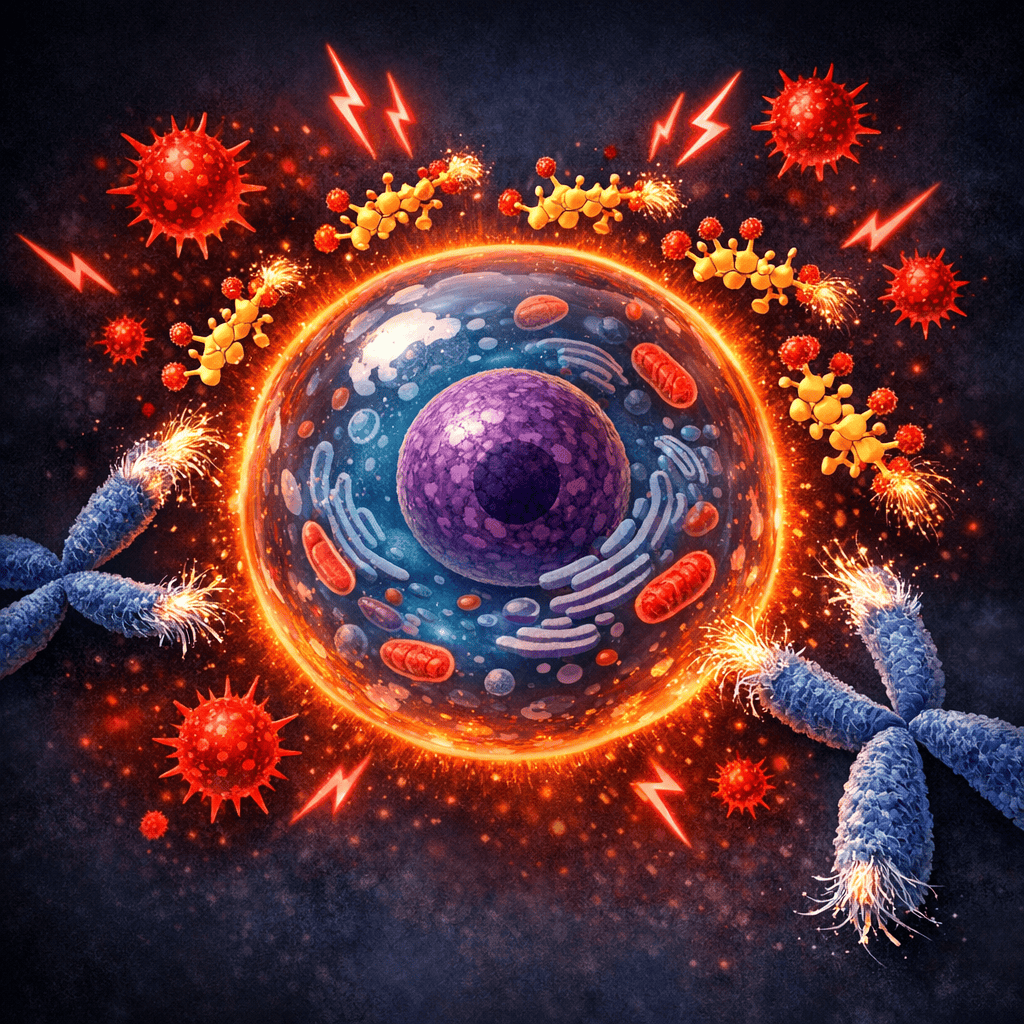
Your reproductive system is quietly sensitive to what your brain is doing. Chronic psychological stress triggers a cascade of hormonal signals, particularly the release of cortisol and adrenaline, that reach virtually every tissue in your body. Reproductive tissues respond to these signals by shifting their metabolism into overdrive, burning fuel faster to prepare for fight or flight. This metabolic acceleration produces a byproduct nobody wants: reactive oxygen species, or ROS. These are unstable molecules that damage proteins, lipids, and DNA if they accumulate faster than cells can neutralise them.
The problem starts when stress becomes chronic rather than acute. Your body evolved to handle short bursts of danger. But modern life offers stress that never really stops. Week after week of elevated cortisol pushes reproductive tissues into a state of persistent oxidative imbalance, where the production of free radicals outpaces the cellular machinery designed to clean them up.
What is oxidative stress in reproductive tissues
Oxidative stress happens when cells produce more reactive oxygen species than they can neutralise. In reproductive tissues, this becomes a particularly delicate problem because these cells are already metabolically active and relatively sensitive to damage.
Think of it this way: cells generate ROS constantly as a normal side effect of burning glucose and fat for energy. They also produce ROS intentionally as a signalling molecule. Healthy cells manage this through antioxidant systems like superoxide dismutase, catalase, and glutathione. These work like a security team, patrolling the cell and converting dangerous ROS into harmless water and oxygen.
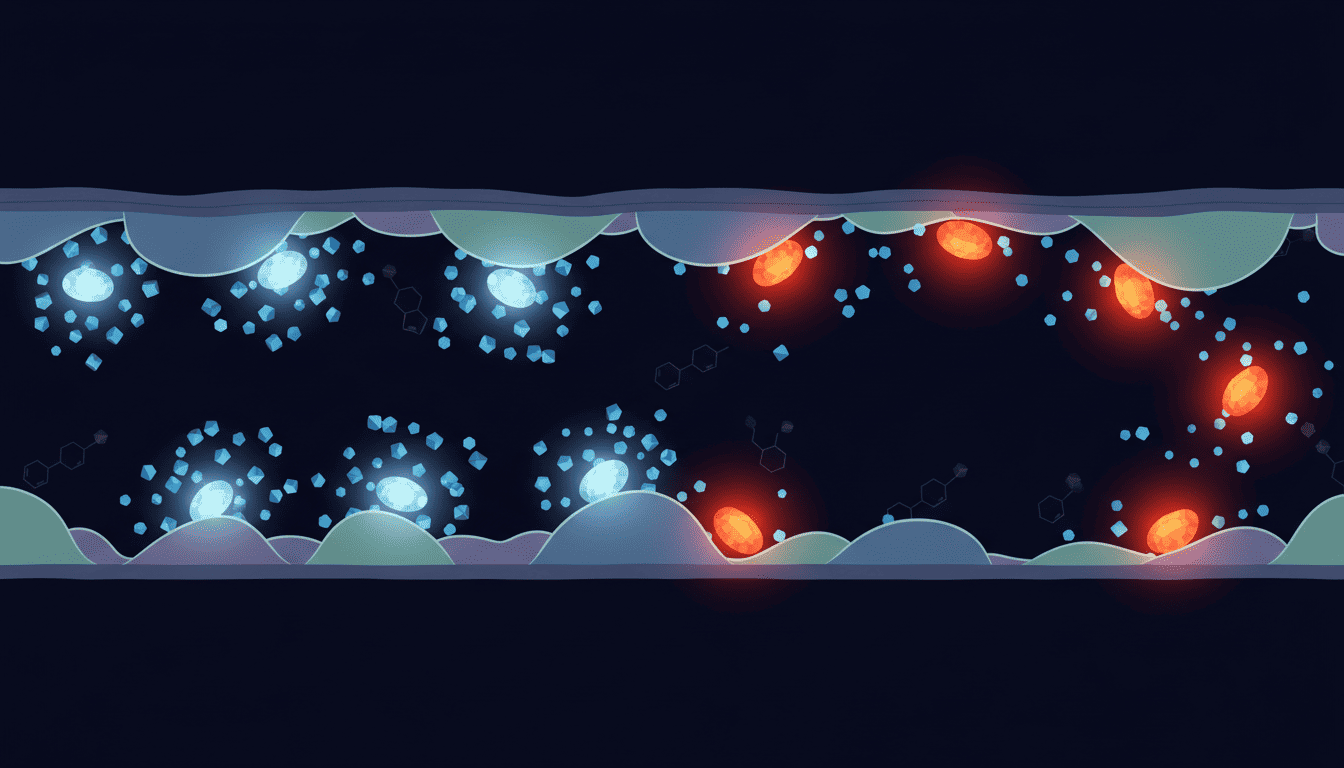
When stress hormones flood the system, they accelerate mitochondrial activity to generate more ATP, the cell’s energy currency. This increased metabolic rate spins up ROS production. Simultaneously, chronic stress dampens the expression of the very antioxidant genes that would normally defend against this damage. The result is a two-way failure: more oxidative threat, weaker defence.
Reproductive tissues are especially vulnerable because sperm cells and the cells that support egg development require enormous amounts of ATP. They’re metabolic powerhouses, which means they’re also prolific ROS generators.
What the research shows
Studies measuring oxidative markers in stressed animals and humans consistently find elevated ROS in reproductive tissues. Researchers have observed increased DNA fragmentation in sperm from chronically stressed males, along with reduced antioxidant enzyme activity in testicular tissue. Similar patterns appear in ovarian tissue, where oxidative stress correlates with reduced egg quality and impaired follicle development.
One striking finding is that oxidative damage in reproductive tissues appears before you’d detect it elsewhere. The testes and ovaries seem to be early responders to chronic stress, accumulating ROS damage faster than the liver or brain despite those tissues handling substantial metabolic loads themselves.
Research measuring stress hormones directly shows that elevated cortisol suppresses the genes encoding glutathione synthesis and other antioxidant defences. This isn’t damage from the cortisol itself. Rather, cortisol is signalling the cell to shift resource allocation away from maintenance and protection toward immediate survival functions. It’s a sensible short-term trade-off that becomes destructive when stress never ends.
Why cells need oxidative defence in reproduction
Reproductive tissues face a uniquely harsh oxidative environment. Sperm cells are tiny, with minimal cytoplasm and therefore minimal space to pack antioxidant molecules. Yet they must survive the journey through the reproductive tract, which includes exposure to acidic environments and immune cells that intentionally generate ROS.
Egg cells face different pressures. They divide infrequently, so they accumulate oxidative damage over decades of life. A woman’s eggs age alongside her body, and oxidative damage plays a measurable role in age-related decline in egg quality. The cell maintains multiple layers of antioxidant defence specifically because the cost of failure is high.
Evolution preserved sophisticated oxidative defence systems in reproductive tissues because these cells literally pass genetic material to the next generation. Damaged DNA in sperm or eggs directly affects offspring. Even moderate oxidative damage to the tissues supporting reproduction can impair hormone production, reduce nutrient supply, or trigger cell death in developing gametes.
What affects oxidative stress in reproductive tissues
Chronic psychological stress is the obvious trigger, but the research points to several factors that either amplify or suppress the effect. Sleep deprivation makes it worse. During sleep, cells upregulate antioxidant synthesis and downregulate metabolic rate. Chronic sleep loss removes this nightly recovery period, leaving reproductive tissues under constant oxidative assault.
Diet matters substantially. High polyunsaturated fat intake increases cellular membrane susceptibility to oxidative damage. Conversely, dietary antioxidants like vitamin E, selenium, and polyphenols from plant foods boost the cell’s antioxidant capacity, though they can’t completely override the effect of chronic stress hormones.
Age interacts with stress in predictable ways. Older reproductive tissues have fewer functional mitochondria and express lower baseline levels of antioxidant enzymes. Chronic stress in an older person causes more damage faster than the same stress in a younger person.
Exercise deserves mention because it’s one of the few interventions that consistently reduces both stress hormone levels and oxidative stress markers simultaneously. Physical activity triggers mild, acute ROS production that actually upregulates adaptive antioxidant responses. This primes the cell’s defences, making it more resilient to chronic stress.
What remains unknown
The basic mechanism is now clear, but the specifics of individual variation remain murky. Why do some people’s reproductive tissues weather chronic stress relatively well while others experience rapid decline? Genetic variation in antioxidant enzyme expression likely matters, but this hasn’t been systematically mapped in humans.
Researchers still can’t predict precisely which reproductive outcomes will result from measured levels of chronic stress and oxidative damage. We know there’s a correlation, but the threshold between stress that causes detectable oxidative damage and stress that produces actual functional impairment in reproduction remains undefined.
The timing of stress exposure remains understudied. Does chronic stress in early life produce lasting changes in how reproductive tissues handle oxidative challenges? Can the damage be reversed if stress is removed? These questions matter enormously but require long-term human studies that are expensive and slow.
The story here points to something wider about cellular health: the body doesn’t separate mental and physical stress at the level of molecules. Psychological pressure triggers the same metabolic and hormonal changes as physical threat, and tissues respond identically. Reproductive tissues happen to be particularly visible sensors of this effect, which makes them useful markers for understanding how chronic stress silently damages cells throughout the body. The oxidative cascade triggered by stress hormones doesn’t stop at the reproductive system. It reaches everywhere.

Matt Elliott is the editor of Redox News Today, an independent publication covering peer-reviewed research on cellular health, redox signalling, and related biomedical science.